
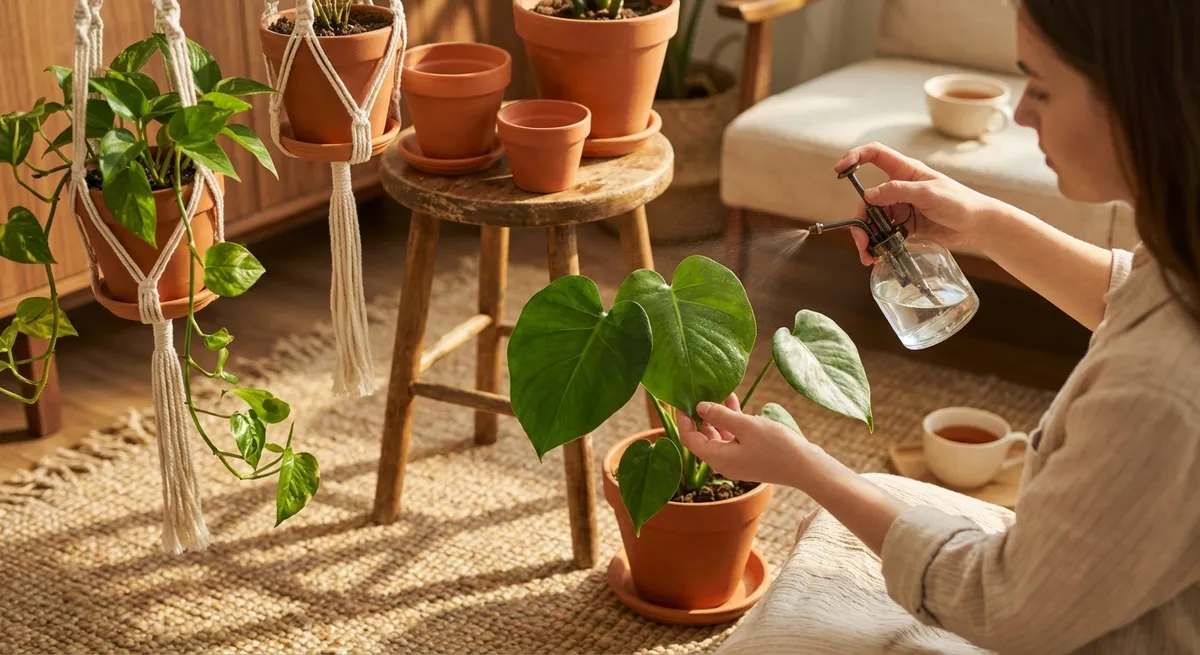
Indoor plants do more than decorate a room—they shift the whole feeling of your space. A leafy fern on a shelf, a trailing pothos over your workspace, or a tiny succulent by the kitchen sink can soften hard edges, calm your mind, and make your home feel quietly alive. Whether you’re surrounded by pots already or just getting started with a single plant, you can create a beautiful indoor “garden” that actually works for your real life, not just for photos.
In this guide, we’ll walk through practical, down‑to‑earth ways to help your indoor plants look and feel their best. No fancy greenhouse required—just a bit of observation, gentle care, and a willingness to adjust as you go.
Let Light Lead the Way
Light is the language your indoor plants speak most clearly. If you learn to “read” the light in your home, everything else gets easier.
Start by watching how the light moves through your space during the day. A bright east‑facing window offers soft morning sun, while a west‑facing window can blast plants with hot afternoon rays. North‑facing windows usually provide gentle, indirect light, and south‑facing windows often give the strongest, longest light.
Look at your plants for clues:
- Pale leaves and long, stretchy stems usually mean “I need more light.”
- Crispy, bleached, or scorched spots can mean “Too much direct sun!”
- No new growth for months might signal “Not enough light to grow.”
You don’t have to rearrange your entire home—just shuffle a few pots. Place sunlovers (like succulents and cacti) closest to the brightest windows, and move shade‑tolerant plants (like snake plants or ZZ plants) a step back or into lower‑light corners.
If you live in a dim apartment or have small windows, consider a simple, energy‑efficient grow light for a plant shelf. Even a few extra hours of gentle, artificial light can make a big difference in your indoor “garden’s” health and color.
Tip 1: Match Plants to Your Lifestyle, Not Your Aspirations
It’s tempting to grab the rare, dramatic plant you see online, but your life and space should choose your plants—not the other way around.
Ask yourself a few honest questions:
- How often do you realistically want to water? Every few days, weekly, or less?
- Is your home usually dry (lots of heating or AC) or a bit humid (small, closed rooms, frequent cooking)?
- Do you travel frequently or forget about chores unless they’re visible?
If you’re forgetful or travel often, sturdy plants like snake plants, ZZ plants, pothos, and some succulents are forgiving and bounce back from missed waterings. If you love daily rituals and already check on your plants every morning, you might enjoy more sensitive varieties like calatheas, ferns, or tropicals that enjoy higher humidity and regular attention.
By choosing plants that fit your natural habits, you’re setting up a garden that thrives without constant stress or guilt. Your indoor plants should feel like supportive roommates, not demanding houseguests.
Tip 2: Water with Intention, Not on a Strict Schedule
Indoor plants don’t own calendars—they respond to moisture, temperature, and light, not “every Wednesday.” A flexible approach keeps roots healthy and prevents two common problems: overwatering and underwatering.
A few simple habits help:
- Use the finger test: Press a clean finger 2–3 cm (about an inch) into the soil.
- If it feels dry at that depth, it’s probably time to water.
- If it still feels damp or cool, wait a few days and check again.
- Water thoroughly, not just a splash: When it is time, slowly water until some drains out of the bottom of the pot. This encourages deeper, stronger roots.
- Empty saucers: Don’t let your plant sit in standing water—pour out the extra so roots can breathe.
- Adjust with the seasons: Plants usually drink more in brighter, warmer months and less in darker, cooler months.
Pay attention to your plant’s body language:
- Drooping, thin, dry leaves and very light soil? Likely too dry.
- Yellowing leaves, wilting even though soil is wet, or a musty smell? Possibly too wet.
Over time, you’ll start to recognize each plant’s rhythm, and watering becomes less guessing game, more quiet conversation.
Tip 3: Give Roots Room and Soil That Feels Like Home
Healthy roots are the hidden engine of a beautiful indoor garden. Even if your plant looks fine above the soil, roots can be cramped, soggy, or starving for air below the surface.
A few practical checks:
- Check for root crowding: If roots are circling the bottom of the pot, poking through drainage holes, or forming a tight mass, it might be time to move up to a slightly larger pot.
- Use pots with drainage holes: This is one of the easiest ways to prevent overwatering damage. If you love decorative pots without holes, use them as outer “cachepots” and keep your plant in a plain nursery pot inside.
- Choose soil that matches the plant type:
- Tropical houseplants (like pothos, philodendron, peace lilies) usually enjoy a light, well‑draining houseplant mix.
- Succulents and cacti like sandy, very fast‑draining mixes.
- Orchids often need chunky bark‑style mixes rather than regular potting soil.
When repotting, be gentle but not afraid to loosen roots a little, especially if they’re tightly wound. A fresh pot and fresh soil can often trigger a burst of new growth and better color within a few weeks.
Tip 4: Feed Gently and Keep Leaves Clean
Indoors, your plants can’t reach for new nutrients in the ground, and rain never washes their leaves. A bit of thoughtful support goes a long way.
Consider these simple practices:
- Light feeding during active growth: During spring and summer (or whenever your plant is actively pushing out new leaves), use a balanced, water‑soluble fertilizer at half strength once a month, unless the plant label says otherwise. In fall and winter, many plants slow down, so you can often feed less or pause.
- Avoid “more is better”: Over‑fertilizing can burn roots and cause crispy edges or odd leaf discoloration. When in doubt, feed a little less but more consistently.
- Dust the leaves: Dust can block light and slow photosynthesis. Every few weeks, wipe broad leaves gently with a damp, soft cloth. For plants with lots of tiny leaves, a soft brush or a quick lukewarm shower (let them drain thoroughly afterward) works wonders.
- Trim with kindness: Remove yellow, brown, or damaged leaves with clean scissors or pruning shears. This not only keeps the plant looking fresh, it also helps it focus energy on new, healthy growth.
Think of this as basic grooming for your indoor garden—small moments of upkeep that keep plants looking bright and feeling strong.
Tip 5: Group Plants for Comfort and Visual Impact
Plants don’t just change your space—they change each other’s little climate, too. Grouping them thoughtfully can make your garden both healthier and more beautiful.
Here’s how to make plant “communities” work for you:
- Create mini humidity zones: Many plants release moisture through their leaves. When you group a few together, they share that humidity, which is especially helpful for tropical plants in dry homes. Adding a shallow tray of pebbles and water nearby (without the pots sitting directly in the water) can help even more.
- Mix heights and textures: Combine tall plants with smaller trailing ones and compact varieties. Contrast big, glossy leaves with thin, delicate ones, or deep green with variegated patterns. This adds depth and makes even a small collection feel lush.
- Use plant stands and shelves: Lifting some plants higher and letting vining ones trail down creates a cozy, layered effect that draws the eye without cluttering surfaces.
- Keep needs similar: Group together plants that like similar light and watering habits so care stays simple. For example, keep your succulents in the brightest, driest spot and your humidity‑loving plants together elsewhere.
Over time, you’ll start to see your indoor garden as a set of little “scenes” rather than scattered pots. Each zone can have its own personality—calm, jungle‑like, minimal, or wild—while still being easy to care for.
Conclusion
Indoor plants don’t need perfection to thrive—they just need a bit of attention, patience, and a home that suits who you are. When you choose plants that match your lifestyle, watch how light moves through your rooms, water thoughtfully, support their roots and leaves, and group them into little communities, you’re not just decorating. You’re building a living, changing part of your home.
Let your indoor garden grow with you. Start small, adjust as you learn, and celebrate every new leaf, every bit of fresh color. With a few gentle habits and a curious eye, your plants—and your space—can quietly transform into something you’re proud to share and happy to come home to.
Sources
- University of Vermont Extension – Indoor Plants – Overview of basic indoor plant care, including light, water, and soil needs
- University of Minnesota Extension – Growing Indoor Plants with Success – Detailed guidance on light, watering, fertilizing, and repotting houseplants
- Royal Horticultural Society (RHS) – Houseplants – Practical advice on choosing, placing, and caring for common indoor plants
- Clemson Cooperative Extension – Indoor Plants: Selecting a Plant – Tips on matching plant types to indoor conditions and lifestyle
- NC State Extension – Fertilizing and Watering Indoor Plants – Research‑based recommendations for proper watering and fertilizing of container plants indoors and outdoors