
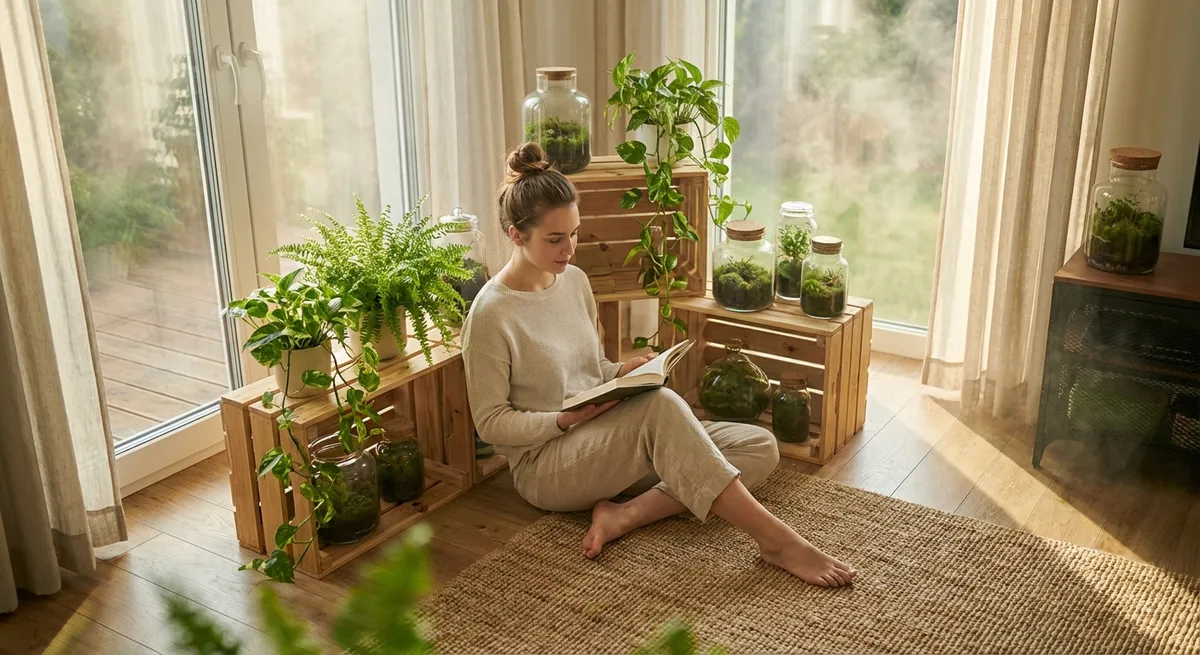
Indoor plants are more than pretty decor—they’re living, breathing roommates that soften hard edges, clean the air a bit, and gently nudge us to slow down. Whether your home is a sunny loft or a cozy basement apartment, you can grow a small “forest” that feels soothing instead of overwhelming. Let’s walk through some simple, practical ways to help your indoor plants thrive—and in the process, make your home feel more alive.
Understanding Your Home’s “Microclimates”
Before you bring home new plants, it helps to think of your home as a collection of tiny climates. The light near a south-facing window is very different from a shady hallway, even if they’re just a few steps apart.
Take a day to really look at your space. Notice which windows get strong light most of the day and which areas feel dim even at noon. Check how the light changes as the hours pass—many plants love bright mornings but don’t enjoy harsh afternoon sun. Also pay attention to drafts from doors and windows, or heat from vents and radiators, since sudden temperature swings can stress plants.
Once you’ve mapped out these little microclimates, you can match plants to places instead of forcing them to adapt. Snake plants, ZZ plants, and pothos usually handle lower light, while succulents, herbs, and many flowering plants want brighter spots. Starting with the right match makes everything else—watering, repotting, troubleshooting—so much easier.
Building a Simple, Stress‑Free Care Routine
Indoor plants do best when their care is consistent but not complicated. Think of plant care as a rhythm, not a chore list.
Pick one or two “plant check-in” days each week. On those days, skip the automatic watering and instead use your hands and eyes. Gently push your finger into the soil about an inch deep. If it feels dry, it’s probably time to water; if it’s still moist, wait a few days. This simple habit helps prevent the number-one indoor plant problem: overwatering.
It also helps to keep a small “plant kit” in one spot—a small watering can with a narrow spout, pruning scissors, a soft cloth for wiping leaves, and maybe a spray bottle if your plants enjoy extra humidity. When everything’s in one place, taking care of your plants feels like a quick ritual, not a disruptive task. Over time, you’ll start noticing small changes—new leaves, buds, or color shifts—before they turn into bigger issues.
Five Helpful Tips for Beautiful, Thriving Indoor Gardens
Here are five practical tips to keep your indoor plants looking lush and lovely without turning your home into a science lab.
1. Water From the Roots, Not Just the Top
When you water, aim to fully moisten the root zone rather than sprinkling the surface.
Water slowly around the base of the plant until you see excess water come out of the drainage holes, then let the pot drain completely. This encourages roots to grow deeper and stronger, instead of staying shallow and weak near the surface. Avoid letting pots sit in standing water for more than about 15–20 minutes, as this can suffocate roots and lead to root rot.
If you tend to overwater, bottom-watering can help: set the pot in a shallow tray of water and let the soil soak moisture up from below, then remove it once the top of the soil feels slightly damp.
2. Give Plants the Right Pot and Soil
The prettiest pot isn’t always the best one for your plant. Good drainage is non-negotiable.
Choose pots with a drainage hole at the bottom and use saucers or outer decorative containers to catch excess water. For most houseplants, a high-quality, peat-free potting mix (not garden soil) works well—it’s lighter, drains better, and is less likely to compact. Succulents and cacti prefer an even grittier mix, while moisture-loving plants like ferns enjoy slightly denser, more water-retentive soil.
When roots start circling the pot or pushing out of drainage holes, it’s time to move up just one pot size. Going too big too fast can leave soil wet for too long around young roots.
3. Clean Leaves So They Can “Breathe” and Shine
Dust builds up quickly indoors and can block the light your plants need for photosynthesis.
Every few weeks, gently wipe broad leaves with a soft, damp cloth, supporting each leaf with your hand as you go. For plants with many small leaves, a gentle lukewarm shower in the sink or tub can rinse off dust—just be sure to let them drain well afterward. Skip commercial leaf-shine products; they can clog pores on the leaf surface.
Clean leaves often respond with brighter color and more vigorous growth, and your plants instantly look fresher and more vibrant.
4. Rotate Plants for Even Growth
Plants naturally reach toward the light, which can lead to a lopsided, leaning look over time.
Once or twice a month, turn your pots a quarter turn so each side gets its moment in the sun. This simple habit encourages a more balanced, fuller shape. It also gives you a chance to inspect all sides of each plant for early signs of trouble—like pests, yellowing leaves, or rot—before they spread.
If a plant is stretching dramatically toward a window and looking sparse, it may be asking for more light than that spot offers. Try moving it closer to a brighter window or supplementing with a grow light.
5. Feed Gently and Seasonally
Indoor plants don’t need constant heavy feeding, but a little nutrition at the right time makes a big difference in how lush they look.
Most houseplants grow most actively in spring and summer, then slow down in fall and winter. During the active growing months, a balanced, water-soluble fertilizer at half the recommended strength every 4–6 weeks is often plenty. In winter, many plants prefer a break—cut back or pause feeding unless you’re using strong grow lights and seeing noticeable new growth.
Signs of overfertilizing include crispy leaf tips, white crust on the soil surface, and sudden yellowing. If you notice these, flush the pot thoroughly with water to wash out excess salts, then give the plant a rest from fertilizer for a while.
Creating Cozy Plant Displays That Feel Natural
A beautiful indoor garden isn’t just about individual plants—it’s about how they relate to each other and to your space.
Try grouping plants with similar light and water needs together, so you can care for them in one go and avoid over- or under-watering certain types. Mix heights and textures: a trailing pothos cascading from a shelf, a medium philodendron on the tabletop, and a taller fiddle-leaf fig or rubber plant on the floor can create a layered, “little forest” feeling in one corner.
Consider how your plants interact with your daily life, too. A small herb pot near the kitchen window might nudge you to cook more fresh meals; a calming fern and peace lily in the bedroom can make your nighttime routine feel more restful. When your plant groupings support how you actually live, they’re easier to maintain—and easier to love.
Conclusion
Indoor plants don’t demand perfection; they respond to attention, observation, and a bit of consistency. When you learn your home’s light, water slowly and deeply, choose the right pots and soil, keep leaves clear, rotate for even growth, and feed gently during the growing season, your indoor garden starts to feel less like a project and more like a relationship.
Over time, you’ll notice something lovely: as your plants grow, so does your confidence. Your home becomes a softer, greener place to land at the end of the day—one leaf, one new shoot, one small, quiet moment at a time.
Sources
- University of Vermont Extension – Indoor Plants: Selecting and Caring for Houseplants - Covers light needs, watering, potting, and general indoor plant care
- Clemson Cooperative Extension – Indoor Plants: A Guide to Healthy Houseplants - Detailed guidance on watering, fertilizing, and environmental conditions
- University of Minnesota Extension – Growing Indoor Plants with Success - Practical tips on light, containers, potting mixes, and routine care
- Royal Horticultural Society – Houseplants - Broad overview of houseplant types, maintenance, and troubleshooting
- Penn State Extension – Watering Houseplants - In-depth explanation of proper watering techniques and common problems