
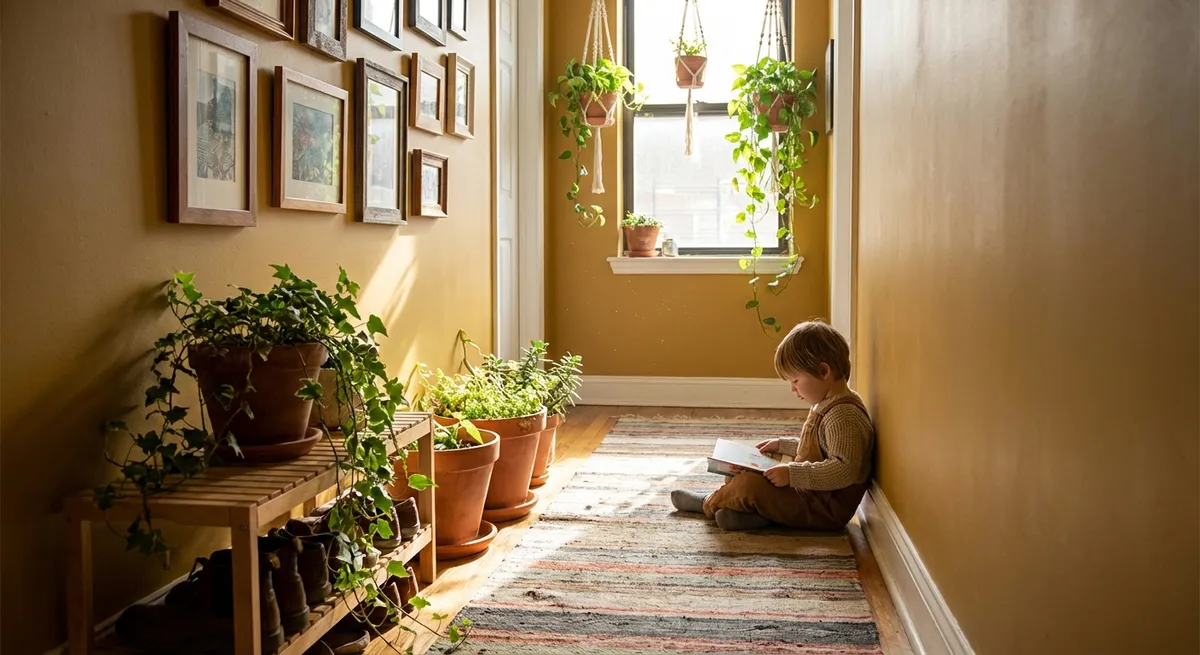
Indoor plants don’t just decorate a room—they change how a space feels. A leafy corner can make a tiny apartment feel calmer, a busy home office feel more breathable, and a kitchen window feel like a mini escape. The fun part? You don’t need to be a “plant person” to enjoy all this. With a few simple habits and the right plants, your home can quietly turn into a cozy, green retreat.
Let’s walk through some friendly, practical ways to help your indoor plants thrive—and make your home feel more alive in the process.
Understanding Your Space Before You Buy a Plant
Before you fall in love with a plant on Instagram or at the nursery, pause and look around your home. Indoor gardening works best when you match plants to the conditions you already have, not the ones you wish you had.
Notice where the light is strongest and for how long. South- and west-facing windows usually get brighter, more intense light; north-facing windows tend to be softer and shadier. Watch where the sun actually lands during the day—does it beam onto the floor, skim across the wall, or stay dappled through trees outside?
Also pay attention to temperature and drafts. Some plants are more forgiving near slightly drafty windows, while tropical plants often dislike cold blasts from frequently opened doors or wintery windowpanes. If you use air conditioning or heating, see where vents blow directly—most plants prefer not to live right in that airflow.
Once you understand your home’s “microclimates” (bright and sunny, cool and shady, warm and humid, etc.), you can choose plants that naturally fit: low-light lovers like snake plants for shadowy corners, or sun-lovers like succulents for bright sills. Matching plants to places from the start is the easiest way to set yourself up for success.
Tip 1: Let Light Be Your Guide
Light is the quiet engine behind healthy indoor plants. When they don’t get enough, you’ll see stretched-out stems, small pale leaves, and slow growth. Too much, and leaves can scorch or fade.
For sun-seeking plants (think succulents, cacti, many herbs, and some flowering houseplants), aim for bright, direct or very bright indirect light. A sunny windowsill or a spot a foot or two back from a bright window often works well. Rotate the pot every couple of weeks so the plant grows evenly instead of leaning toward the window.
For plants that prefer softer conditions—like pothos, ZZ plants, peace lilies, and many ferns—bright, indirect light is key. That might be a spot near a window where the sun doesn’t land directly on the leaves, or a room with plenty of daylight but no harsh beams.
If your home is naturally dim, consider using a simple LED grow light for a few hours a day. You don’t need anything fancy: even a small clip-on grow light can help keep foliage lush and prevent leggy growth. Just remember that lights are like a sun schedule—most plants enjoy 10–14 hours of light and at least 8 hours of darkness to rest.
Tip 2: Water With Intention, Not on a Schedule
It’s tempting to give every plant a drink every Sunday, but different plants (and different seasons) need different amounts of water. A cactus in winter and a fern in summer live very different lives!
Instead of watering by the calendar, water by checking the soil. Press your finger about an inch into the potting mix. If it feels dry at that depth, it’s usually time to water. If it still feels damp or cool, wait a few days and check again. For moisture-loving plants like ferns and peace lilies, you might water when the top half-inch of soil is dry; for drought-tolerant plants like snake plants or succulents, wait until the soil is dry at least halfway down.
When you do water, do it thoroughly. Pour water slowly over the soil surface until it starts to drain out of the bottom holes, then let the pot drain fully before returning it to its saucer or outer cachepot. Empty any standing water from saucers after 15–20 minutes so roots don’t sit in soggy soil.
You’ll quickly learn each plant’s “thirst rhythm.” In warm, bright months, they’ll probably need more frequent drinks; in cooler, darker months, growth slows and they’ll usually need less. If leaves yellow and drop from the bottom, or soil stays wet for days, you may be overwatering. Crispy brown leaf edges can be a sign of underwatering—or sometimes low humidity—so look at the whole picture.
Tip 3: Choose Pots and Soil That Work With You
The right pot and soil can quietly solve many common indoor plant problems. Think of them as your behind-the-scenes helpers.
Start with drainage: any pot you use should have at least one drainage hole at the bottom. Without it, excess water has nowhere to go, and roots can suffocate or rot. If you fall in love with a decorative pot that doesn’t have drainage, use it as a cover pot. Keep your plant in a plastic nursery pot with holes and tuck it inside the pretty container, removing it when watering so it can drain freely.
Pot size matters too. A pot that’s too large holds more water than the roots can use quickly, which can keep soil soggy. When you repot, usually go just one size up (about 2 inches wider in diameter). This gives the roots more room without overwhelming them with constant moisture.
Use a high-quality indoor potting mix, not garden soil from outside. Indoor mixes are designed to stay airy and drain well in containers. For special plants like succulents or orchids, look for blends made specifically for them—they need extra drainage and texture. Over time, potting mix can compact, so repotting every year or two (or refreshing the top few inches) helps keep roots happy.
Tip 4: Create a Simple Care Routine You’ll Actually Enjoy
Indoor plants don’t have to be high-maintenance. A gentle, regular routine makes care feel easy instead of overwhelming—and it gives you a chance to actually enjoy your plants up close.
Once a week, do a quick “plant check-in.” Walk around your home with a small watering can and a soft cloth. Check soil moisture with your finger, dust off any large leaves, and look under the foliage for any early signs of pests (like tiny webs, sticky residue, or speckled leaves). Catching issues early is almost always easier than fixing big problems later.
Wiping leaves—not just for looks—helps plants photosynthesize better by removing dust that blocks light. A damp, soft cloth works well for most sturdy-leafed plants; for delicate plants, a gentle misting in the sink or shower can freshen them up.
During the growing season (typically spring through early fall), many plants appreciate a light feeding. Use a balanced, water-soluble houseplant fertilizer at half the recommended strength every 4–6 weeks, unless the plant’s label suggests otherwise. In winter, when growth slows, you can often pause fertilizing.
Most importantly, give yourself permission to keep things simple. It’s better to care well for a handful of plants than to feel guilty about a jungle you don’t have time to maintain.
Tip 5: Style Greenery to Lift Your Mood, Not Just Your Décor
Indoor plants are part of your home’s energy, not just its look. When you place them thoughtfully, they can make daily life feel a little kinder and calmer.
Try clustering a few plants together to create a “green zone”—on a bookshelf, a kitchen counter, or a console table. Besides looking lush, grouping plants can slightly raise local humidity, which many tropical plants appreciate. Mix heights and leaf shapes for a cozy, collected feel: a trailing pothos cascading down, a medium plant like a peace lily in the middle, and a taller plant like a dracaena or snake plant at the back.
Think about where you spend the most time and add plants there first. A small, cheerful plant on your desk or beside your reading chair can be surprisingly grounding. A herb pot near the kitchen window might nudge you to cook more fresh meals. A calming, leafy friend near your bed (in a safe spot away from pets and children, of course) can make your nighttime routine feel softer.
Don’t worry about following strict design rules; instead, ask yourself: “Does this spot make me smile when I see it?” If the answer is yes, you’re styling your indoor garden exactly right for you.
Conclusion
Indoor plants are quiet companions: they grow at their own pace, respond to the care you give, and gently shift the feel of your home. You don’t need perfect light, endless time, or expert skills—just a willingness to observe, adjust, and enjoy the little changes from week to week.
By matching plants to your space, treating light as your guide, watering with intention, choosing good pots and soil, and creating a simple care routine you enjoy, you’ll be well on your way to beautiful, thriving greenery.
Let your indoor garden grow with you—one cozy green corner at a time.
Sources
- Houseplants: How to Select, Grow, and Display - University of Minnesota Extension guide on choosing and caring for indoor plants
- Watering Houseplants Properly - Clemson Cooperative Extension article on indoor plant watering practices
- Potting Mixes for Houseplants - University of Florida IFAS overview of potting media and drainage for container plants
- Lighting Indoor Houseplants - Penn State Extension explanation of light types and plant needs indoors
- NASA Clean Air Study: Interior Landscape Plants for Indoor Air Pollution Abatement - NASA report exploring how certain indoor plants interact with indoor air quality