
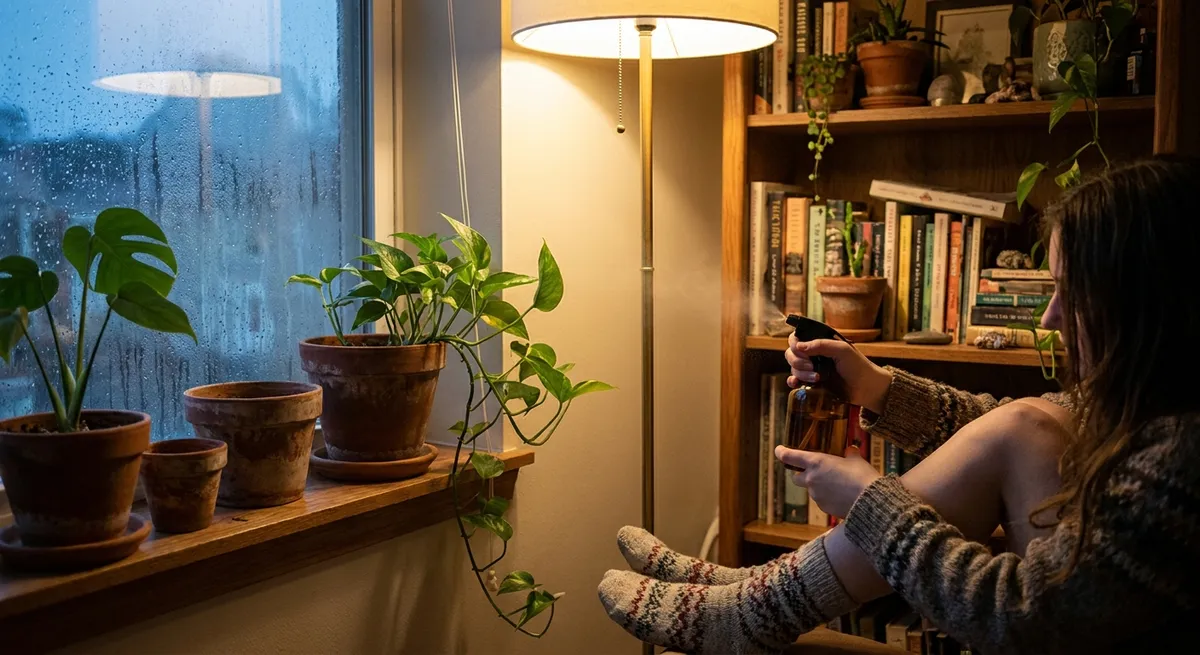
Indoor plants don’t ask you to be perfect—they just need you to be present. When you understand what they’re quietly telling you through their leaves, soil, and growth, caring for them becomes less of a chore and more of a calming little ritual. Whether you’re working with a sunny windowsill or a dim apartment corner, you can grow a space that feels alive, welcoming, and totally “you.”
This guide walks you through practical, down-to-earth ways to keep indoor plants thriving, plus five core tips you can lean on whenever you feel unsure.
Start With Your Space, Not the Plant
Instead of falling for a plant first (it happens to all of us), begin by honestly looking at your home. Your space is the “climate,” and your plants are the guests—you’ll have more success if they actually like where they’re staying.
Notice:
- Light: Is it bright and direct (hot sunbeams), bright but filtered (sheer curtains), or soft and low? South-facing windows in the Northern Hemisphere usually get the most light; north-facing get the least.
- Temperature: Drafty windows, heaters, and air conditioners can stress plants, especially tropical ones.
- Humidity: Bathrooms and kitchens are often naturally more humid; bedrooms and living rooms can be drier, especially with heating or AC.
- Your routine: Are you home most days, or gone for long stretches? Do you enjoy small daily tasks, or do you prefer set-it-and-mostly-forget-it?
Once you understand your space and habits, choose plants that match. Low-light corners? Think snake plants and pothos. Bright, sunny window? Succulents and herbs can be happy there. When plant and place are well-matched, you’ll spend far less time “fixing” problems and more time enjoying growth.
Tip 1: Let Light Be Your Guide (Plants Don’t All Want the Sun)
Light is the main fuel your plants live on. When they don’t get enough—or get too much—they’ll show you. Learning to “read” light will instantly make you a better plant parent.
A few practical ways to work with light:
- Do the shadow test: Stand near your plant spot at midday.
- Crisp, dark shadow with sharp edges = bright direct light
- Softer shadow with blurry edges = bright indirect light
- Faint or barely-there shadow = low light
- Match plant labels to reality: If a plant is labeled “full sun,” it usually wants several hours of strong light. “Bright indirect” means it wants plenty of light that’s softened by a sheer curtain or a bit of distance from the window. “Low light” doesn’t mean no light—it just tolerates less.
- Watch for clues:
- Reaching, spindly growth and small new leaves often mean too little light
- Brown, crispy patches (especially on leaves facing the window) can suggest too much direct sun
- Use simple tools if you like: A phone light meter app can help you compare spots, but your eyes and the shadow test are often enough.
If a plant looks unhappy, try moving it before you change anything else. A small shift—like moving it 1–3 feet back from a harsh window or closer to a bright one—can make a big difference.
Tip 2: Water With Intention, Not on a Schedule
Overwatering is one of the quickest ways to lose a plant, and it happens with good intentions. The trick is to water based on what the plant and soil are telling you—not what the calendar says.
Here’s a simple way to water more wisely:
- Use your finger as a moisture meter: Gently press your finger 1–2 inches into the soil.
- Feels dry? It’s likely time to water.
- Feels cool or damp? Wait a few days and check again.
- Water deeply, not in tiny sips: When it is time, water until you see excess draining out of the bottom of the pot. This encourages deeper root growth and helps wash out built-up salts.
- Always use pots with drainage holes: Decorative cachepots are fine, but keep your plant in a plastic or terracotta pot with holes and slide it inside. Sitting water at the bottom with no escape invites root rot.
- Adjust for seasons: In winter, with less light and slower growth, most plants need less water. In bright, warm summer conditions, they may need more.
- Know your plant type:
- Succulents & cacti prefer drying out completely between waterings.
- Many tropical houseplants like to dry slightly, not totally.
- Thirsty plants (like some ferns) appreciate more consistent moisture, but still not soggy soil.
If you’re ever unsure, it’s usually safer to wait a day or two than to water “just in case.”
Tip 3: Create a Healthy Home Below the Soil Line
What happens in the pot is just as important as what you see above the rim. Good soil and drainage give roots breathing room, prevent disease, and help your plant use water and nutrients more efficiently.
Helpful ways to support the root zone:
- Choose the right mix:
- Most tropical houseplants do well in a peat- or coco-coir–based mix with added perlite or bark for airiness.
- Succulents and cacti prefer a gritty, fast-draining mix with sand or extra perlite.
- Some plants, like orchids, need very chunky bark-based mixes.
- Repot for health, not just size:
- If roots are circling the bottom or poking out of drainage holes, it’s time to upsize by just 1–2 inches in diameter.
- Refresh soil every 1–2 years even if you don’t move to a bigger pot. Nutrients and structure break down over time.
- Don’t bury the stem: Keep the plant at the same level it was in its original pot. Planting it too deep can encourage rot.
- Watch for signs of trouble:
- Mushy stems, a sour smell, or soil that stays wet for days can signal poor drainage or root rot.
- Let the soil dry more thoroughly, and if needed, repot into a fresher, airier mix.
Think of good potting mix like a supportive mattress: not too hard, not too soft, with enough structure that roots can stretch comfortably.
Tip 4: Grow Lush Foliage With Gentle Feeding and Simple Grooming
Indoor plants live in the same soil for long stretches, so they rely on you for a gentle nutrient refill now and then. Combined with a little grooming, feeding can keep foliage full, green, and vibrant.
Ways to help your plants look their best:
- Fertilize lightly during active growth:
- Use a balanced, water-soluble fertilizer at half-strength every 4–6 weeks in spring and summer for most foliage plants.
- Skip or greatly reduce feeding in winter, when many plants are resting.
- Don’t “fix” a struggling plant with fertilizer: If a plant is drooping, yellowing, or dropping leaves, solve light/water/soil issues first. Extra fertilizer can burn already-stressed roots.
- Trim with purpose:
- Snip off dead or yellow leaves at the base to keep the plant tidy and discourage pests.
- Pinch back leggy stems to encourage bushier growth; cut just above a leaf node.
- Clean their leaves: Dust acts like a tiny layer of shade.
- Wipe leaves occasionally with a soft, damp cloth, supporting the leaf with your other hand.
- Skip leaf-shine sprays; they can clog pores (stomata).
- Rotate your pots: Give each side a turn toward the window every week or two so your plant grows evenly instead of leaning.
A few minutes of trimming and wiping every couple of weeks keeps plants looking polished and also gives you a chance to spot early signs of pests or stress.
Tip 5: Build Pest-Resistant Plants With Simple Daily Habits
Most indoor plant pests—like fungus gnats, spider mites, and scale—arrive quietly and spread quickly. The aim isn’t to panic-proof your collection, but to build daily (or weekly) habits that catch issues early and keep plants resilient.
Practical, low-stress pest prevention:
- Do a quick “leaf check” when you water:
- Look under leaves and along stems for webbing, sticky spots, cottony fluff, or tiny moving dots.
- Catching pests early makes them much easier to control.
- Isolate new plants: Keep new additions a little separate for a week or two so any hitchhiking pests show up before they reach your other plants.
- Manage fungus gnats by managing moisture: They love consistently wet soil. Let the top inch dry between waterings and empty saucers so water doesn’t pool.
- Try gentle treatments first:
- A strong spray of water in the sink or shower can remove many pests physically.
- Insecticidal soap or horticultural oil can help when used as directed for tougher infestations.
- Support overall plant health: Well-lit, properly watered plants with healthy roots naturally resist pests better than stressed ones.
Think of pest care less as crisis management and more like small, regular “check-ins” that keep your indoor garden peaceful.
Bringing It All Together: A Home That Grows With You
Indoor gardening doesn’t have to look like a jungle takeover to be meaningful. Even a single thriving plant on a desk can make a space feel softer, calmer, and more lived-in. When you focus on a few basics—matching plants to your space, watering with intention, supporting healthy roots, offering gentle feeding and grooming, and catching pests early—you give your plants a real chance to shine.
Start with one or two plants you genuinely like, learn their preferences, and let your confidence grow as they do. Over time, your home can become a collection of quiet green stories—each leaf a little reminder that you’re capable of helping living things thrive.
Sources
- University of Illinois Extension – Houseplants: Growing Environment - Explains light, temperature, and humidity needs for common indoor plants
- Clemson Cooperative Extension – Indoor Plants: Watering - Detailed guidance on how and when to water houseplants properly
- Royal Horticultural Society – Houseplants - Covers general care, compost, repotting, and common houseplant issues
- Penn State Extension – Houseplant insect pest management - Practical information on identifying and controlling common indoor plant pests
- University of Vermont Extension – Fertilizing Houseplants - Discusses how, when, and why to fertilize houseplants safely