
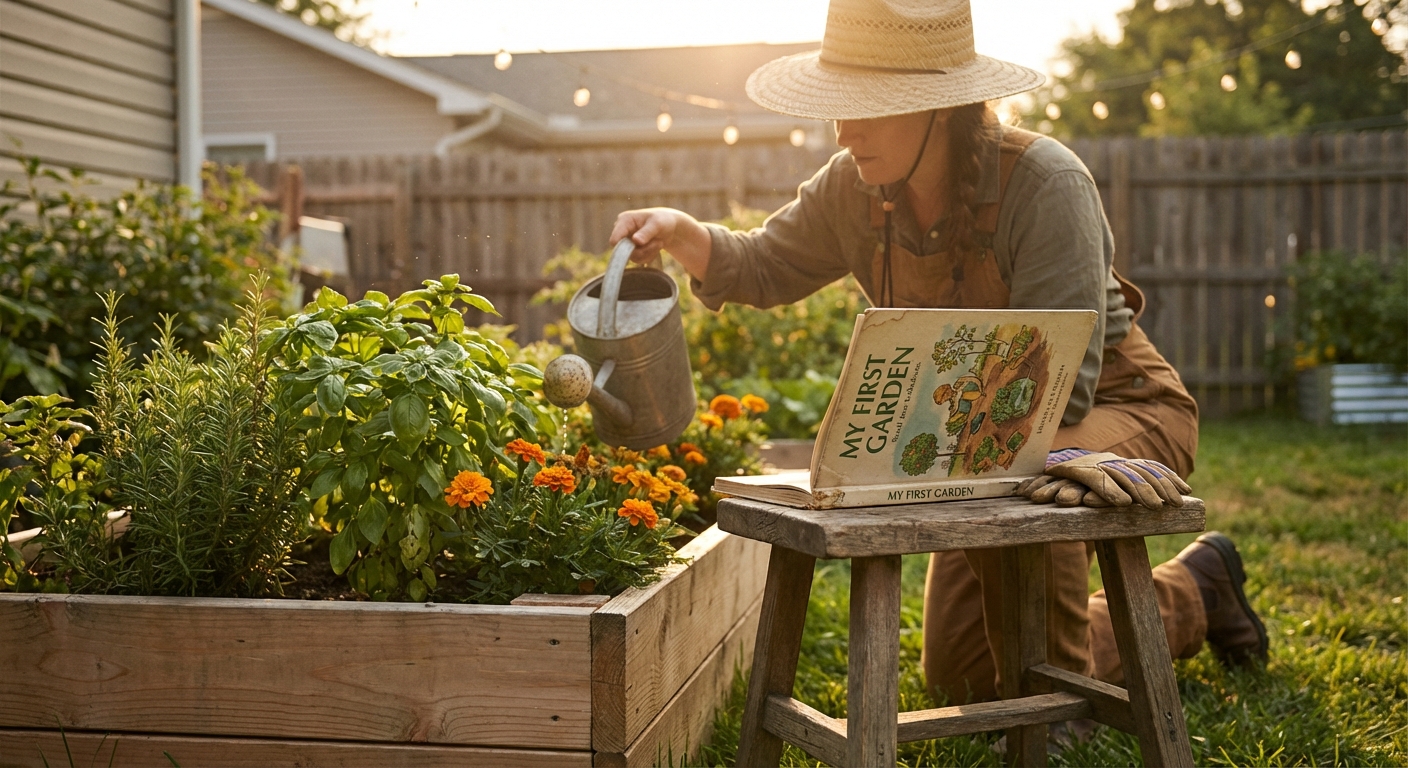
Starting a garden doesn’t have to feel overwhelming. With a few simple habits and a bit of observation, you can grow thriving plants that reward you with flowers, foliage, and food. Think of plant care as a conversation, not a chore: your plants are always sending signals, and you’re just learning how to listen.
Welcome to Your Happier, Greener Garden
In this guide, we’ll walk through the basics of caring for plants in a way that feels doable and enjoyable. You don’t need fancy tools or years of experience—just curiosity and consistency.
We’ll end with 5 practical tips you can start using today to create and maintain a beautiful garden.
Start With the Right Plant in the Right Place
The single biggest secret to plant success is matching the plant to your conditions. When a plant is placed where it naturally thrives, it will almost care for itself.
Ask these questions before planting:
- How much sun does this spot get?
- Full sun: 6+ hours of direct sun
- Part sun/part shade: 3–6 hours
- Shade: Less than 3 hours of direct sun
- What’s my climate zone? (Look up your USDA Hardiness Zone or local climate guide.)
- Is my soil sandy, clay, or loamy?
- How windy or exposed is this area?
Then, choose plants that naturally like those conditions. For example:
- Sunny, dry spots: lavender, sedum, yarrow
- Partial shade: hostas, astilbe, hydrangeas (depending on variety)
- Moist areas: iris, ligularia, ferns
When you choose wisely at the start, you’ll spend less time struggling and more time enjoying.
Understand Watering: Less Often, More Deeply
Most plant problems begin at the roots—either too much water or too little. Many gardeners love their plants a bit too much with the hose.
The Deep-Soak Rule
It’s far better to water deeply and less frequently than to give light, daily sprinkles. Deep watering encourages roots to grow down into the soil, making plants stronger and more drought-tolerant.
- Water until the top 6–8 inches of soil are moist.
- Then let the top inch dry slightly before watering again (for most plants).
- Use your finger as a moisture gauge: if the top inch of soil is dry, it’s usually time to water.
Signs You’re Overwatering
- Yellowing leaves that feel soft or mushy
- Wilting even though the soil is wet
- Fungus gnats or a musty smell in pots
If in doubt, check the soil before you reach for the watering can.
Feed the Soil, Not Just the Plants
Healthy plants start with healthy soil. Instead of relying solely on liquid fertilizers, focus on building a rich, living soil that supports your garden year after year.
Simple Ways to Improve Soil Health
- Add compost at least once a year. Spread 1–2 inches on top of your beds in spring or fall.
- Mulch with organic materials like shredded leaves, bark, or straw. Mulch keeps moisture in, moderates soil temperature, and breaks down into nutrients.
- Avoid over-tilling. Too much turning can break apart soil structure and harm beneficial organisms.
Healthy soil:
- Drains well but holds moisture
- Smells earthy, not sour
- Crumbles easily in your hand
Treat your soil like a living ecosystem, and your plants will repay you with lush growth and resilience.
Learn to Read Your Plants’ Signals
Plants can’t talk, but they do communicate through their leaves, stems, and growth patterns.
Common Signals to Watch For
- Pale or yellow leaves
- Possible causes: nutrient deficiency, overwatering, compacted soil
- Crisp, brown leaf edges
- Possible causes: underwatering, too much sun, salt buildup from fertilizers
- Leggy, stretched-out growth
- Possible cause: the plant needs more light
- No flowers or poor blooming
- Possible causes: too much shade, too much nitrogen, pruning at the wrong time
Respond gently when you notice changes. Adjust light, water, or soil gradually and observe how your plant reacts over the next week or two.
Create a Simple Care Routine You Can Stick To
You don’t need a complicated schedule—just a few regular check-ins.
Here’s a sample weekly routine:
- Once a week:
- Walk through your garden slowly.
- Check soil moisture with your finger.
- Look under leaves for pests.
- Note any yellowing, spots, or wilting.
- Every 2–4 weeks (growing season):
- Add a gentle, balanced organic fertilizer if needed.
- Deadhead (remove spent flowers) to encourage more blooms.
- Seasonally:
- Add compost or fresh mulch.
- Prune shrubs and perennials at their recommended times.
A 10–15 minute garden walk can prevent small issues from becoming big problems.
5 Helpful Tips for Beautiful, Low-Stress Gardens
1. Group Plants by Water and Sun Needs
Mixing thirsty plants with drought-tolerant ones makes watering tricky. Instead, group plants with similar needs together so you can water efficiently and avoid over- or underwatering.
Bonus: Grouping also creates more cohesive, polished-looking beds.
2. Mulch Is Your Best Friend
A 2–3 inch layer of organic mulch:
- Reduces weeds
- Holds moisture longer
- Protects roots from heat and cold
- Gradually improves soil as it breaks down
Keep mulch a couple of inches away from stems and trunks to prevent rot.
3. Start with a Few Plants and Build Slowly
It’s tempting to plant everything at once, but gardens are long-term projects. Begin with a handful of plants you genuinely love and learn their needs.
As your confidence grows, you can expand, rearrange, and experiment without feeling overwhelmed.
4. Choose Tough, Forgiving Varieties
Look for words like “easy-care,” “low maintenance,” or “drought tolerant” on plant tags, especially if you’re new to gardening.
Some reliable, beginner-friendly choices include:
- Marigolds, zinnias, and cosmos for color
- Herbs like rosemary, thyme, and chives
- Shrubs like spirea, viburnum, and many hydrangeas (check for your zone)
Tough plants give you early wins—and early wins keep you motivated.
5. Keep a Simple Garden Journal
You don’t need anything fancy—just a notepad or notes app. Jot down:
- What you planted and where
- When you fertilized or pruned
- Weather extremes (heat waves, heavy rain, frost)
- What worked and what didn’t
Over time, this becomes your personalized plant-care guide tailored to your exact garden.
Enjoy the Process, Not Just the Results
Beautiful gardens aren’t built in a weekend. They grow and change with you. As you experiment, some plants will thrive and others won’t—and that’s completely normal.
The more time you spend observing, adjusting, and learning, the more natural plant care will feel. Start small, stay curious, and remember: every gardener was a beginner once.
Your garden doesn’t have to be perfect to be beautiful. It just has to be loved—and that part, you already know how to do.