
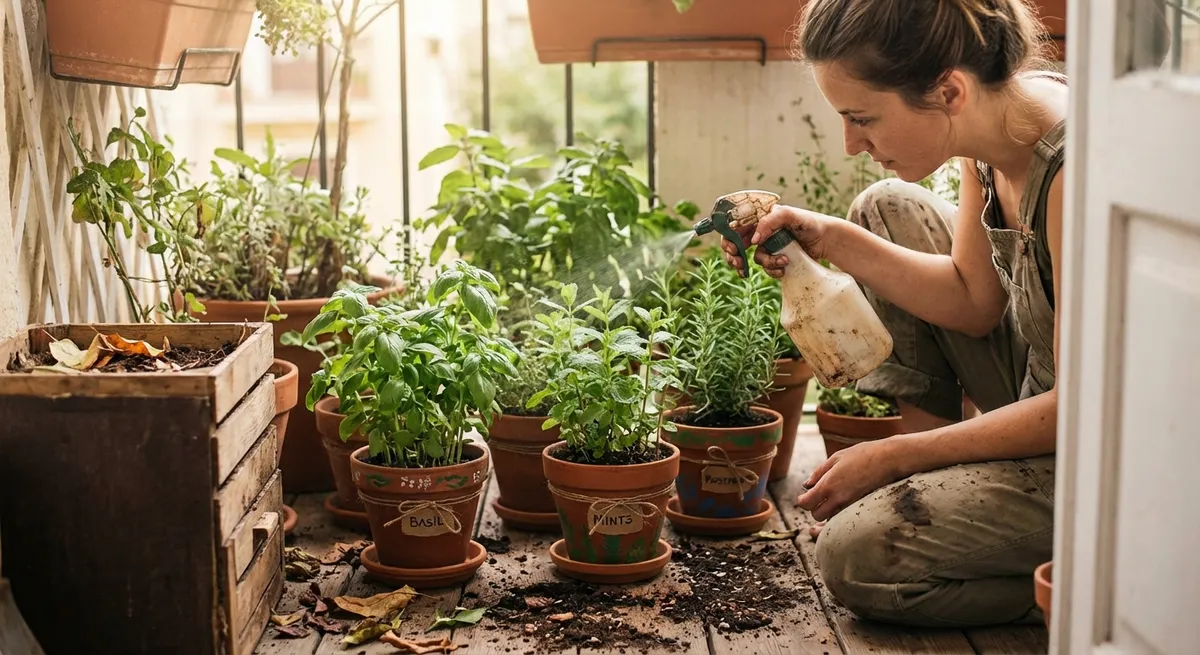
A beautiful garden isn’t built in one weekend—it grows from small, consistent habits you repeat over time. The good news? Those habits don’t have to be complicated or expensive. With a few thoughtful tweaks to how you care for your plants, you can turn any space—balcony, backyard, or windowsill—into a lush, healthy retreat.
In this guide, we’ll walk through five practical, do-able tips you can start using this week to help your plants grow stronger, look better, and feel more “ahhh” than “uh-oh.”
Tip 1: Match the Plant to the Place (Not the Other Way Around)
One of the kindest things you can do for your plants is to put them where they naturally want to be. Instead of forcing a sun-loving plant into a shady corner (or vice versa), start by reading the light and temperature of each spot in your home or garden.
Spend a day noticing how sunlight moves across your space. Which areas get full, direct sun for 6+ hours? Which stay bright but not sunny? Which are shaded most of the day? Jot this down or take quick phone photos every few hours so you can see the change over time.
Once you understand your light zones, choose plants that already thrive in those conditions. For example, herbs like rosemary and thyme love full sun, while hostas and ferns are happiest in shade. Indoors, succulents enjoy bright windows, while many tropical houseplants prefer bright, indirect light away from harsh rays.
By matching plants to the right environment, you’ll spend less time “saving” them and more time watching them flourish naturally.
Tip 2: Learn Your Soil’s Personality
Soil isn’t just “dirt”—it’s your plant’s entire world. When you understand what kind of soil you’re working with, you can give your plants a much better chance at long-term health.
Pick up a handful of moist soil from your garden and squeeze it. Does it feel gritty and fall apart easily? That’s sandy soil, which drains quickly and may need extra organic matter to hold nutrients. Does it form a tight, sticky ball? That’s heavy clay, which holds water and nutrients but can suffocate roots if not loosened with compost. If it holds together softly and crumbles when nudged, you’ve hit the loamy jackpot—great drainage and good structure.
You can improve almost any soil by adding organic matter: compost, well-rotted manure, or leaf mold. These additions feed beneficial microbes, help roots breathe, and make it easier for plants to access water and nutrients.
For container plants, choose high-quality potting mix rather than garden soil. Potting mixes are designed to drain well in pots and often include ingredients like perlite or bark to prevent soggy roots.
Healthy soil is like a strong foundation for a house: once it’s solid, everything you build on top is easier.
Tip 3: Watch the Leaves Like a Conversation
Your plants are always “talking” to you through their leaves; you just have to learn the language. By glancing at your plants regularly, you can catch small problems before they become big headaches.
Yellowing leaves can mean many things—overwatering, underwatering, or nutrient issues—but patterns help you decode it. Yellow lower leaves that drop off might signal underwatering or normal aging. Yellow, soft, and mushy leaves higher up often indicate too much water or poor drainage.
Crisp brown tips can suggest low humidity, especially on tropical houseplants, or fertilizer burn if you’ve recently fed them. Pale leaves with dark green veins may point to nutrient deficiencies.
You don’t need to diagnose everything perfectly at first. Start by noticing: Are new leaves smaller than usual? Are there spots, bites, or webbing? Any sticky residue? A quick weekly “leaf check” helps you stay ahead of pests and diseases and adjust your care before plants start to decline.
Think of this as a friendly check-in with your garden—two or three minutes of observation can save you weeks of struggle later.
Tip 4: Feed Gently and Consistently
Just like us, plants do best with regular, balanced meals rather than sudden feasts. Over-fertilizing can stress plants, burn roots, and lead to lots of weak, leggy growth. Under-fertilizing can leave them pale, slow-growing, and vulnerable.
A simple rule: fertilize more during active growth (spring and summer for most plants) and ease up or stop during dormancy (often fall and winter). For many garden and container plants, a balanced, slow-release fertilizer at the beginning of the growing season can provide steady nutrition over time.
If you prefer liquid fertilizer, think “weakly, weekly”: dilute slightly more than the label suggests and apply more frequently during peak growth. This gentle approach is easier on roots and lets you adjust based on how your plants respond.
Always water before fertilizing dry soil; feeding very dry roots can cause damage. And if your plant looks stressed, wilted, or diseased, focus on fixing the underlying issue first (light, water, pests) before feeding.
The goal is to support healthy, sturdy growth—not to push plants to grow faster than they comfortably can.
Tip 5: Prune With Purpose, Not Panic
Pruning can feel scary at first, but it’s one of the most powerful tools you have to shape healthier, more beautiful plants. Done thoughtfully, it encourages new growth, improves air flow, and keeps your garden looking loved rather than overgrown.
Start simple:
- Remove dead, diseased, or damaged stems as soon as you notice them. This keeps problems from spreading and lets the plant direct energy to healthy parts.
- Snip off spent flowers (deadheading) on many annuals and perennials to encourage more blooms.
- Trim back leggy growth to encourage bushier, fuller plants—especially for herbs and many houseplants.
Use clean, sharp tools and make your cuts just above a leaf node (the little bump where a leaf or side stem emerges). Indoors, regular light pruning keeps plants compact and tidy. Outdoors, it can help shape shrubs, tidy perennials, and prevent plants from shading each other too much.
If you’re nervous, prune a little at a time and step back often. Plants are far more resilient than we give them credit for, and most will respond to thoughtful trimming with fresh, healthy growth.
Conclusion
Creating and maintaining a beautiful garden isn’t about perfection or having endless free time—it’s about building a few kind, consistent habits into your week.
When you:
- Match each plant to the right spot,
- Nurture your soil,
- Pay attention to what leaves are telling you,
- Feed thoughtfully,
- And prune with confidence,
you set your plants up to thrive with less stress (for both of you).
Start with one or two of these tips this week. Maybe you do a quick light check of your space, or give your soil a little compost boost. Over time, these small actions add up to a garden that feels more alive, more abundant, and more “you.”
Your garden doesn’t have to be perfect—it just has to keep growing. And so do you.
Sources
- University of Illinois Extension – Selecting Plants for the Home Landscape – Guidance on matching plants to site conditions like light and soil
- Royal Horticultural Society – Soil Types – Clear explanations of clay, sandy, and loam soils and how to improve them
- University of Minnesota Extension – Diagnosing Plant Problems – Visual help for interpreting leaf symptoms and other plant stress signs
- Clemson Cooperative Extension – Fertilizing Landscape Plants – Best practices for when and how to fertilize without overdoing it
- University of Maryland Extension – Pruning Ornamental Plants – Practical pruning basics, timing, and techniques for healthier growth