
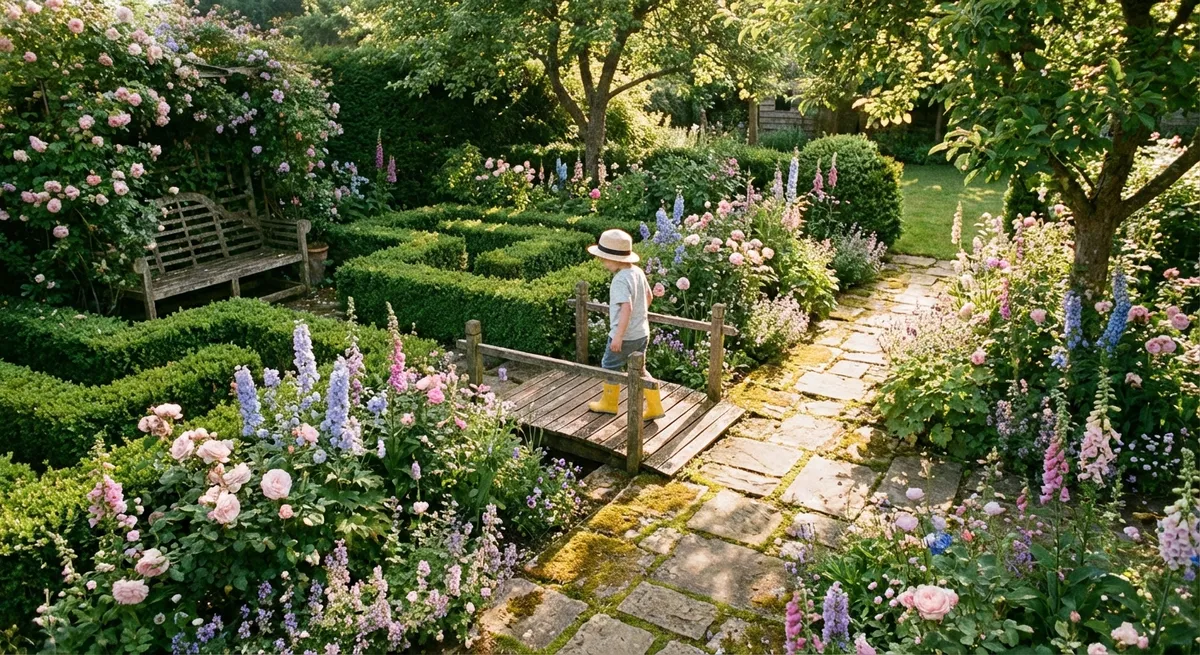
Imagine stepping outside and feeling like you’ve walked into a tiny storybook world—curving paths, pockets of color, a favorite chair tucked into the shade. Garden design doesn’t have to be grand or expensive to feel magical; it just has to feel like you. Whether you’re working with a balcony, a small yard, or a sprawling space, a few thoughtful choices can transform “just plants” into a place you look forward to visiting every day.
This guide will walk you through simple, practical ways to design a garden that looks beautiful, feels relaxing, and is actually manageable to maintain—plus five friendly tips you can use right away.
Begin With a Feeling, Not a Shopping List
Before you buy a single plant, pause and ask: How do I want this garden to feel? Cozy? Playful? Calm? Lush and wild? Clear answers here make every design decision easier—from colors to paths to furniture.
Close your eyes and picture one small scene you’d love: maybe sipping tea under a small tree, kids investigating flowers along a winding path, or a quiet corner with herbs and a book. That “anchor scene” becomes your design compass. If something doesn’t support that feeling, it probably doesn’t belong in your garden (no matter how pretty it looks at the store).
Think about how you use your outdoor space now versus how you wish you used it. Are you walking straight through without lingering? Do you avoid certain areas because they feel messy or bare? These observations help you decide where to add seating, plantings, or paths to gently guide movement and create natural “pause points.”
When you start with emotion and daily life instead of random plant purchases, your garden design becomes more personal, more coherent, and much easier to love long term.
Draw Gentle Lines: Paths, Shapes, and Flow
Good garden design is less about rare plants and more about how the space “flows.” The lines you create—paths, bed edges, and borders—quietly tell people where to walk, where to sit, and where to look.
Curved lines tend to feel soft, relaxed, and natural. They’re perfect if you’re going for a cottage, woodland, or laid-back vibe. A simple, shallow curve in a bed edge or stepping stone path can instantly make a garden feel more inviting, as if it’s gently waving you in. Straight lines, on the other hand, feel clean and modern. Use them if you love a minimalist style or want to highlight architectural features like a modern patio or rectangular pond.
Try sketching your space on paper, even very roughly. Mark the entrance, doors, windows, and any existing trees or features. Then draw where you want to walk and where you’d like to pause—maybe by a birdbath, bench, or container cluster. Those lines can become actual paths (gravel, mulch, stepping stones) or simply mown grass between planting beds.
Don’t be afraid of “negative space”—areas of lawn, gravel, or simple groundcover with no planting. These calm zones help your eyes rest, make the planted areas feel more intentional, and also simplify maintenance. Think of your garden like a room: not every inch needs decor; some areas just need breathing room.
Layer Plants Like a Cozy Quilt
Once the basic shapes and paths are in place, plants become the “fabric” that dresses your garden. Instead of thinking plant-by-plant, think in layers and groups. This creates that lush, cohesive look you see in professionally designed gardens.
A classic, easy-to-use approach is to arrange plants in three heights:
- Tall “backbone” plants at the rear or center (depending on bed visibility): small trees, tall grasses, or shrubs. These give structure year-round.
- Medium-height “supporting” plants in front of or around them: perennials, medium grasses, and compact shrubs that carry most of the color and texture.
- Low “front-row” plants along the edge: groundcovers, low bloomers, or trailing plants that soften borders and paths.
Repeat the same plants in groups rather than sprinkling single specimens everywhere. A cluster of three, five, or seven of the same plant looks intentional and is easier on the eyes than lots of singles fighting for attention. Repetition also helps tie different parts of the garden together like a repeating pattern in a quilt.
Pay attention to leaf shapes and textures as much as flowers. Mixing fine, airy textures (like ornamental grasses or ferns) with bold, broad leaves (like hostas or large-leafed perennials) adds interest even when nothing is blooming. This is the secret behind those gardens that look good in every season.
Finally, remember your climate and conditions. Matching plants to your sun, soil, and rainfall doesn’t just keep them alive—it keeps you from constant replacement and rescue missions.
Color and Light: Painting With Sun, Shade, and Blooms
Color in the garden is more than just flower choice. It’s also about how light hits foliage, flowers, and hard surfaces throughout the day. Noticing where the sun lands in the morning, midday, and late afternoon will dramatically improve your design decisions.
If you love a calm, restful feel, lean into cool colors—blues, purples, whites, and plenty of deep green foliage. If you want energy and joy, incorporate warm hues—yellows, oranges, and hot pinks—near sitting areas or paths where you pass often. Combining both is absolutely fine; just give each mood its own focus area so the overall space doesn’t feel chaotic.
Consider how your garden will look in all seasons. Spring bulbs or early perennials can wake up the garden, summer flowers bring the show, and fall foliage or seed heads keep things interesting later in the year. Even in winter, ornamental grasses, evergreen shrubs, or interesting bark (like red-twig dogwood or birch) add quiet beauty.
Color also applies to your containers, fences, and furniture. A painted bench, colorful pots, or a softly tinted trellis can act like permanent “flowers” that brighten the garden even when blooms are between flushes. This is especially helpful in small spaces where every square foot needs to work hard visually.
Working with light and color doesn’t require perfection. Start with one thoughtfully designed corner, notice what you love most over a season, and slowly repeat those winning ideas elsewhere.
Five Friendly Tips for Creating and Maintaining a Beautiful Garden
Here are five practical tips you can put to work right away, no matter your experience level or garden size:
- Start with one mini “scene” instead of the whole yard.
Choose a single focal area—a front entry, a corner by a chair, or a view from your kitchen window—and design just that spot first. Include a mix of heights, one or two main colors, and at least one non-plant element (like a pot, lantern, or birdbath). When that little scene feels good, expand outward using similar plants and colors so your garden grows in a connected way instead of feeling random.
- Use mulch as your quiet, hardworking backdrop.
A simple layer of organic mulch (like shredded bark or wood chips) around plants ties the garden together visually and cuts down on weeds and watering. It’s like a neutral rug in a living room—suddenly everything else looks more polished. Keep mulch a couple of inches away from plant stems and tree trunks to prevent rot, and refresh it as it breaks down to keep soil healthy.
- Choose “anchor plants” that look good most of the year.
While it’s tempting to chase flowers, focus first on shrubs, ornamental grasses, or perennials that have long-lasting foliage or structure. These anchor plants give your garden bones, so when seasonal flowers come and go, the space still looks intentional. Place them at key spots: bed corners, path curves, or near seating areas. Then tuck your favorite bloomers around them like accessories.
- Group plants by water and sunlight needs to simplify care.
When you mix thirsty plants with drought-tolerant ones in the same bed, you end up playing referee with the hose. Instead, try to place plants with similar needs together. Sunny lovers in one area, shade-lovers in another; moisture lovers where water naturally collects, drought-tolerant plants on higher, drier spots or in well-draining beds. This small design choice makes maintenance calmer and more sustainable.
- Build small, repeatable routines into your week.
A beautiful garden isn’t built in one weekend—it’s made from small, consistent habits. Set a simple schedule: maybe 10–15 minutes on two weeknights and a slightly longer session once on the weekend. Use weeknights for quick tasks like deadheading, checking for pests, or light weeding, and weekends for bigger jobs like adding plants or reshaping beds. Regular, gentle attention keeps things from ever becoming overwhelming and helps you enjoy the space as it evolves.
Conclusion
Your garden doesn’t need to be perfect, expensive, or magazine-ready to be deeply beautiful. It just needs to reflect how you want to feel when you step outside. By starting with an emotional vision, shaping simple paths and beds, layering plants thoughtfully, and building a few easy routines, you can turn any space—tiny balcony, courtyard, or backyard—into a little adventure you look forward to exploring every day.
Give yourself permission to start small, learn as you go, and celebrate each little change: a new curve in a path, a corner that suddenly feels “right,” a plant that clearly loves where you placed it. Over time, these choices add up to a garden that doesn’t just look good in photos—it feels like home.
Sources
- University of Illinois Extension – Principles of Garden Design – Covers basic design elements like line, form, texture, and color in garden planning
- Royal Horticultural Society – Designing a Garden – Practical guidance on layout, structure, and choosing plants for different styles and conditions
- Missouri Botanical Garden – Right Plant, Right Place – Detailed advice on matching plants to site conditions for healthier, lower-maintenance gardens
- Cornell University – Mulch in Home Gardens – Explains types of mulch, how to use them, and their benefits for soil and plant health
- University of Minnesota Extension – Perennial Garden Design – Helpful overview of layering plants by height, bloom time, and texture for year-round interest