
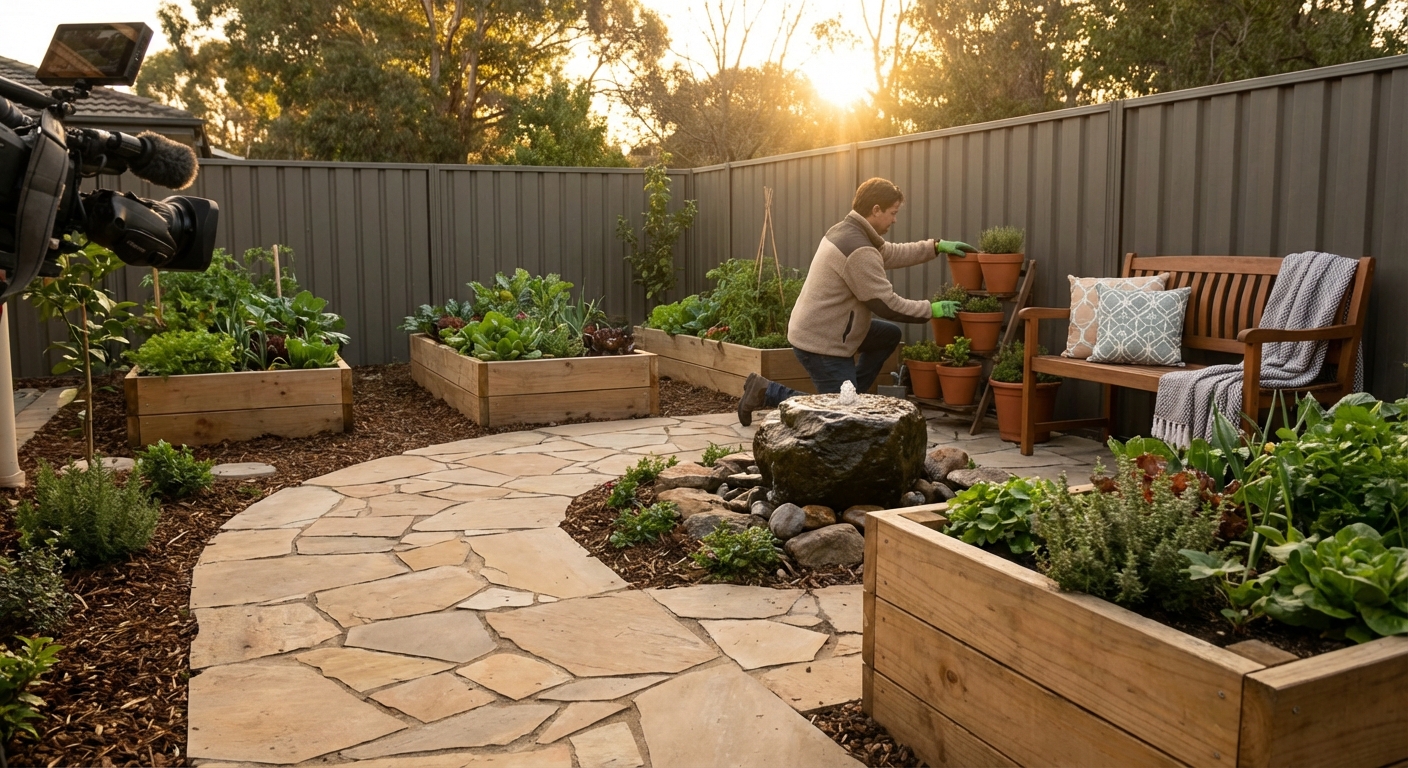
You don’t need rare plants or expensive features to have a stunning garden. What makes a garden feel “designed” is usually the layout: how paths, planting beds, seating areas, and focal points fit together.
Why Layout Matters More Than Fancy Plants
With a few simple layout ideas, you can turn even a small or awkward space into something welcoming, functional, and beautiful.
1. The Classic Border-and-Lawn Layout
This is one of the easiest layouts to create and maintain.
How it works:
- A simple lawn or gravel area in the center
- Planting borders around the edges or along fences
- A clear path from the house to any seating area or shed
Why it works:
- Easy to understand and live with
- Great for families and pets
- Borders soften fences and walls
Make borders deep enough (at least 1–1.5 m) so you can layer plants in height for a lush, generous look.
2. The Courtyard Feel: Pockets and Enclosures
If you love cozy spaces, try creating a courtyard effect.
Key ideas:
- Pull plants and pots close to the house or patio
- Use tall containers, trellises, or small trees to create a sense of enclosure
- Add a bench or bistro set where you feel “held” by greenery
This layout suits small gardens, balconies, and urban spaces. The aim is to turn your sitting area into a green nest, with the garden wrapping around you.
3. The Diagonal Trick for Small Gardens
If your garden is short and boxy, running paths and beds on the diagonal instantly makes it feel larger.
Try this:
- Angle your main path from one corner of the house to the opposite back corner
- Arrange beds and stepping stones to follow this angle
- Place a focal point (urn, tree, feature pot) at the far end of the diagonal
The eye naturally follows the longest line, so the garden appears bigger than it really is.
4. The Island Bed for Visual Impact
An island bed is a planting area surrounded by lawn, gravel, or paving.
Benefits:
- Adds a strong feature to the middle of a plain space
- Can screen views or divide a large garden into zones
- Looks great from all sides (360° planting)
Plant taller shrubs or grasses in the center, medium plants around them, and lower plants at the edges. This creates a dome of interest that draws you in.
5. The Path-led Garden: Let Routes Shape the Design
Sometimes, starting with paths is easier than starting with plants.
Ask: Where do I need to go?
- From house to shed
- From patio to veggie patch
- From gate to back door
Design paths first:
- Straight paths feel formal and efficient
- Curved paths feel relaxed and invite exploration
Once the routes are clear, add planting beds that follow or soften the path edges. A simple gravel path with generously planted edges is one of the most charming and achievable designs.
6. The "Garden Rooms" Approach
Garden rooms use structures, hedges, or planting to divide a space into different zones.
Your rooms might include:
- A sunny sitting area
- A shady reading nook
- A children’s or play area
- A productive veggie patch
Use low hedges, archways, or even tall perennials and grasses as "walls." Each room can have a slightly different mood or color scheme, but repeat a few elements (like the same paving or pots) to tie everything together.
7. The Wildlife-Friendly Layout
If you want a garden buzzing with life, design with wildlife in mind from the start.
Key elements:
- At least one dense shrub area or hedge for nesting birds
- A small pond, water bowl, or birdbath
- A mix of nectar-rich flowers, grasses, and seed heads
- Untidy corners where insects can shelter
Place water where you can see it from indoors, and add seating nearby. Watching birds and pollinators turns your garden into a living show.
Planting with Layout in Mind
Once you’ve chosen a layout idea (or blended two), think about how planting supports it.
- Use taller plants to frame views, edges of paths, and the sides of seats.
- Use lower plants along routes and in front of windows so they don’t block sightlines.
- Mark important corners or changes in direction with feature plants or big pots.
Repeating a handful of reliable plants along your layout lines helps lead the eye and makes the design feel intentional.
5 Helpful Tips for Creating and Maintaining a Beautiful Garden Layout
Tip 1: Sketch Before You Dig
Use graph paper or a free online tool to make a rough plan. Mark buildings, existing trees, and sunny/shady spots. Then add paths, beds, and seating. A simple, messy sketch helps you avoid random planting.
Tip 2: Use String or Hose to Visualize Curves
Before you edge a curved bed or path, lay out a garden hose or string on the ground. Adjust until the curve feels natural to walk and look at. Only then commit with edging or digging.
Tip 3: Aim for Fewer, Larger Beds
Lots of tiny, disconnected beds are hard to maintain and can look fussy. Instead, design fewer, larger planting areas. They:
- Are easier to mulch and water
- Look more generous and cohesive
- Allow for layered planting
Tip 4: Make Access for Maintenance
Always ask: How will I weed, prune, and water this?
- Keep beds within easy reach from a path or lawn
- Add stepping stones inside deep borders
- Don’t trap yourself behind hedges or dense shrubs
A beautiful layout is only useful if you can maintain it without gymnastics.
Tip 5: Review Through the Seasons
Take photos of your garden in spring, summer, autumn, and winter. Look at:
- Where it feels empty or flat
- Where paths or seating areas feel awkward
- Which views you love and want to emphasize
Use what you see to tweak your layout a little each year. Small changes—moving a bench, widening a bed, changing a path line—can transform the feel of the space.
Turning Ideas into Your Own Garden
You don’t have to copy any layout perfectly. Pick one or two ideas that fit your lifestyle and garden size, and adapt freely. The most successful designs don’t follow strict rules—they simply make it easier for you to spend time outside, relax, and enjoy your plants.
Start with one change: a clearer path, a deeper border, or a new seating nook. Once that’s in place, the next steps will feel much more obvious.