
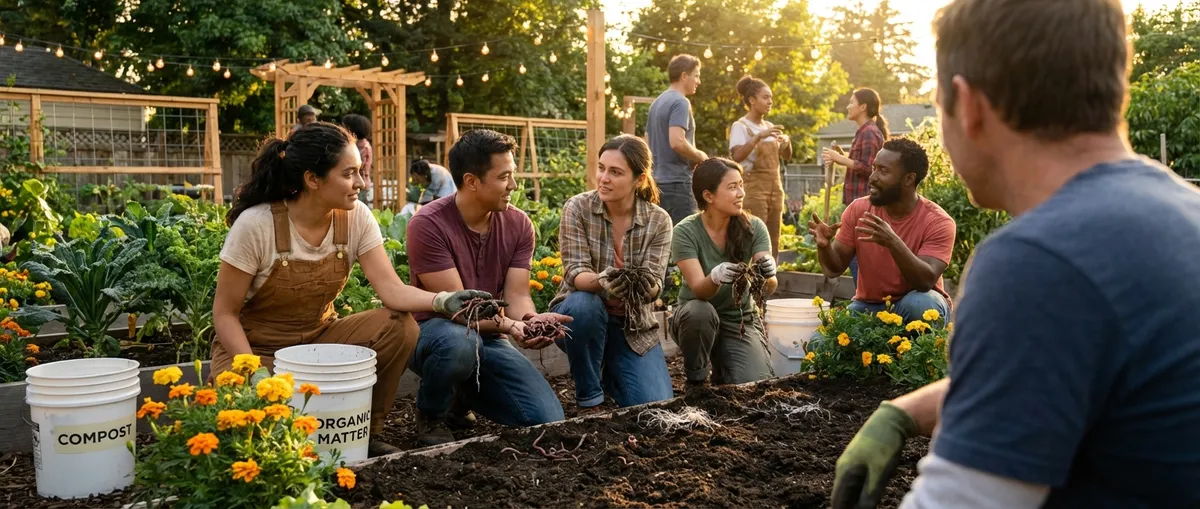
Organic gardening isn’t about having a “perfect” garden—it’s about building a tiny ecosystem that supports you, your plants, and the creatures that share your space. When you start paying attention to the soil, the insects, and the rhythms of the seasons, gardening becomes a lot more peaceful and a lot less stressful. Think of it as teaming up with nature instead of trying to control every inch of it.
In this guide, we’ll dig into how to build a healthy organic garden from the ground up, plus five practical tips to keep your garden beautiful, resilient, and low‑stress—all without relying on synthetic chemicals.
Start With Living Soil, Not Just Dirt
In organic gardening, the real star of the show isn’t your tomato plant or your rose bush—it’s the soil beneath them. Healthy soil is packed with fungi, bacteria, and tiny critters that quietly break down organic matter and release nutrients in a slow, steady way. When you care for the soil, plants grow stronger, resist pests more easily, and recover faster from stress.
Begin by getting a sense of what you’re working with. If you can, send a soil sample to a local extension office or university lab; they’ll tell you about your soil’s pH and nutrient levels, which is incredibly helpful for choosing plants and deciding what amendments to add. Even without a test, you can learn a lot just by feeling your soil—clay is sticky and heavy, sand is loose and quick‑draining, and loam feels crumbly and rich.
Organic matter is your new best friend. Compost, leaf mold, and well‑rotted manure improve almost every type of soil. Instead of turning the soil over deeply, try layering compost and organic material on top and gently working it into the first couple of inches. This keeps beneficial soil life more intact and mimics how a forest floor naturally builds fertility over time.
When you start seeing more earthworms, better crumbly texture, and plants that don’t flop over at the first sign of hot weather, you’ll know your soil life is waking up—and that’s when organic gardening gets a lot easier.
Invite Biodiversity: The Garden That Helps Itself
One of the quiet secrets of organic gardening is that you don’t need to solve every problem if your garden is diverse enough to solve many of them for you. A mix of shapes, heights, flower types, and foliage textures naturally attracts a range of beneficial insects and pollinators. These garden “guests” help pollinate your crops and keep pest populations in check before they become overwhelming.
Aim for a blend of flowers, herbs, vegetables, and shrubs instead of large blocks of just one plant. Many herbs—like dill, fennel, basil, thyme, and cilantro—produce nectar‑rich flowers that beneficial insects adore. Even allowing a few veggies to bolt (go to flower), like lettuce or radishes, can bring in tiny parasitic wasps and hoverflies that hunt aphids and caterpillars.
Try to include plants that bloom from early spring through late fall so there’s always food for pollinators. Native plants are especially powerful allies because they’ve evolved alongside local insects and birds; they tend to be hardy, low‑maintenance, and incredibly supportive of wildlife. A small brush pile, a shallow water dish with pebbles for bees, or a corner left slightly “messy” can become safe habitat.
The more life you invite in, the less you’ll feel like you’re gardening alone. Over time, your garden starts to feel like a community—one that quietly shares the workload.
Five Organic Tips for Beautiful, Resilient Gardens
These five practices will help you create a garden that looks lush and feels healthy, season after season—without relying on synthetic fertilizers or pesticides.
1. Feed the Soil With Homemade (or Local) Compost
Instead of quick‑acting synthetic fertilizers, organic gardeners focus on slow, steady nourishment. Compost does exactly that. It adds nutrients, improves soil structure, and boosts the population of helpful microbes.
You can start a simple compost pile with kitchen scraps (fruit and vegetable peels, coffee grounds, eggshells) and yard waste (leaves, grass clippings, small prunings). Alternate “green” materials (moist, fresh, nitrogen‑rich) with “brown” materials (dry, carbon‑rich, like shredded paper or dry leaves). Keep it moist like a wrung‑out sponge and turn it once in a while to add air.
If composting at home isn’t practical, look for a local composting service, municipal compost site, or bagged compost from a trusted supplier. Spread 1–2 inches of compost over your beds once or twice a year. Over time, you’ll notice better water retention, richer color in foliage, and plants that bounce back more quickly after heat or drought.
2. Mulch to Lock In Moisture and Calm the Weeds
Mulch is a quiet multitasker in organic gardens: it keeps soil moist, suppresses weeds, moderates soil temperature, and slowly adds organic matter as it breaks down. It also gives beds a clean, finished look that makes the whole garden feel more intentional and beautiful.
Organic mulches like shredded leaves, straw (not hay, which often contains seeds), wood chips, or pine needles work especially well. Spread a layer 2–4 inches deep around your plants, keeping it a couple of inches away from stems and trunks to prevent rot. This little gap also discourages pests from hiding right at the base of your plants.
In hot, dry periods, mulch can dramatically reduce how often you need to water. In cooler climates, it helps protect roots from temperature swings. As the mulch slowly decomposes, it feeds the soil—so you’re improving your garden while you sleep.
3. Rotate Crops and Mix Plant Families
Growing the same crop in the same place year after year can invite trouble. Certain diseases build up in the soil, and specific pests learn exactly where to show up. Crop rotation—moving plant families to different areas each year—helps break these cycles naturally.
In vegetable gardens, try grouping plants by family: tomatoes, peppers, eggplants, and potatoes; cabbages, kale, broccoli, and radishes; beans and peas; cucumbers, squash, and melons. Each year, move each group to a new bed if possible. Even small gardens benefit from rotating what you plant in containers or small raised beds.
You can also “mix things up” right within a bed by interplanting. For example, tucking basil near tomatoes, or growing marigolds at the edges of a vegetable patch. This patchwork planting style makes it harder for pests to find large swaths of their favorite food, and it looks charming and abundant.
4. Choose Plants That Match Your Conditions
A beautiful organic garden starts with realistic plant choices. Matching plants to your light, soil, and climate means less struggle for both you and your garden. When a plant is naturally suited to your conditions, it’s less likely to sulk, get stressed, or attract pests.
Pay attention to how many hours of direct sun different areas receive. Full‑sun vegetables and flowers generally need at least 6 hours; shade‑tolerant plants will be happier under trees or on the north side of buildings. Check plant tags or seed packets for light and water needs, and be honest about what your garden can offer.
Native and regionally adapted plants are especially well‑suited to organic gardening because they tend to thrive without extra fuss. If you’ve struggled with the same plant year after year, consider swapping it for a variety with similar looks but lower demands. Sometimes, one smart plant choice makes an entire corner of the garden easier.
5. Practice “Gentle” Pest Management
In an organic garden, the goal isn’t zero pests—it’s a balanced ecosystem where damage stays at a low, manageable level. A few nibbled leaves are normal. The key is to notice issues early and respond with the least disruptive method that will still work.
Start by observing. Check the undersides of leaves when you walk through the garden. Is the plant actually struggling, or does it just have a few cosmetic blemishes? When you see pests, try to identify them, and also look for their natural enemies—ladybugs, lacewings, parasitic wasps, birds, and spiders.
For minor outbreaks, hand‑picking pests, pruning off heavily infested stems, or spraying with a gentle blast of water can be enough. If you need more help, look for targeted organic controls like insecticidal soap or horticultural oil, and use them sparingly, following label directions carefully. Always try to treat in the evening when pollinators are less active.
Over time, as beneficial insects and birds discover your garden, you’ll notice that problems often fade more quickly—even without much intervention.
Conclusion
Organic gardening doesn’t demand perfection; it invites partnership. When you focus on living soil, welcome biodiversity, choose plants that fit your space, and lean on simple practices like composting, mulching, rotating crops, and gentle pest management, your garden starts to feel more like a thriving little world than a constant to‑do list.
Every season is a new chance to listen, adjust, and try again. Start with one small change—maybe a layer of mulch, a new compost bin, or a few pollinator‑friendly flowers—and let your organic garden grow from there. With time, you’ll not only see healthier plants, but also feel a deeper connection to the life unfolding right outside your door.
Sources
- U.S. Department of Agriculture – Organic Gardening - Overview of organic gardening principles and practices
- University of Minnesota Extension – Healthy Soil Basics - Explains how soil health affects plant growth and how to improve it
- Royal Horticultural Society – Gardening Without Chemicals - Practical advice for managing pests, diseases, and soil organically
- Penn State Extension – Composting at Home - Detailed guide to starting and maintaining a home compost system
- Xerces Society – Bring Back the Pollinators - Information on creating pollinator‑friendly gardens and supporting biodiversity