
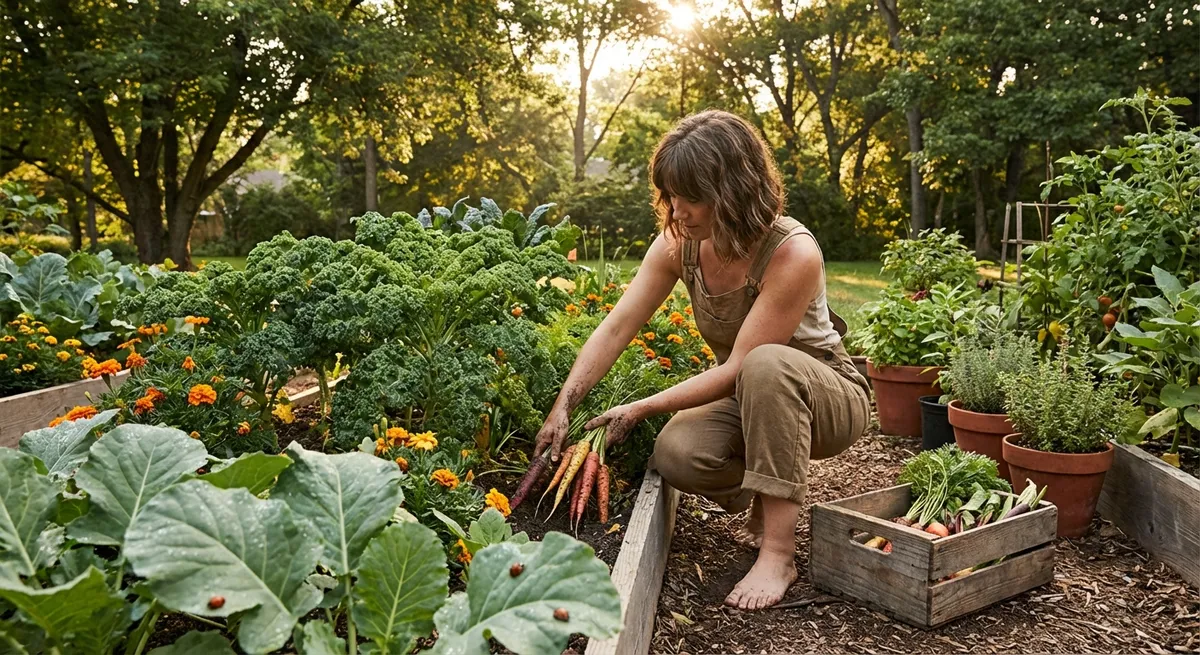
Organic gardening doesn’t have to be complicated, expensive, or reserved for people with endless free time. With a few smart habits and a little curiosity, you can grow a garden that’s lush, healthy, and kind to the planet—without feeling overwhelmed. Let’s walk through some friendly, practical ways to bring more organic goodness into your outdoor (or balcony!) space and actually enjoy the process.
Start with the Space You Have (Not the Space You Wish You Had)
Before you buy a single seed packet, take a slow walk through (or around) your home and simply observe.
Notice where the sun falls during the day: does one corner get steady morning light while another spot bakes in the afternoon? Organic gardening is about working with nature instead of fighting it, so matching plants to your real conditions is half the battle.
If you only have a balcony or a small patio, you can still grow herbs, salad greens, cherry tomatoes, and even dwarf fruit varieties in containers. If you have a yard, think in “zones” rather than trying to transform everything at once. Maybe one sunny patch becomes the veggie zone, a shadier spot becomes a leafy greens area, and a corner by a fence evolves into a flower-and-pollinator haven.
This gentle, observational start has a big payoff: when plants are placed where they naturally want to be, they grow stronger, need fewer inputs, and are less likely to attract pests or diseases. That’s the organic way—less forcing, more flowing.
Build Living Soil Instead of Chasing Perfect Fertilizer
In organic gardening, soil isn’t just “dirt”—it’s a living community that quietly runs the show.
Healthy soil is crumbly, rich in organic matter, and full of tiny life forms (microbes, fungi, earthworms) that help plants access nutrients and water. When you focus on feeding the soil instead of just feeding the plant, your whole garden becomes more resilient.
A few simple, powerful practices:
- Add compost regularly. Even a thin layer on top of beds or containers once or twice a year can transform structure and fertility. If you can, start a small compost pile or use a compost bin for kitchen scraps like fruit peels, coffee grounds, and veggie trimmings (no meat or dairy).
- Leave some plant matter in place. Chopped-up leaves, pulled weeds without seeds, or spent plants can be used as mulch, slowly feeding the soil as they break down.
- Avoid over-tilling. Deep, frequent digging can disrupt soil life. Lightly loosening the top layer or using a garden fork instead of full rototilling is often enough.
Strong soil means stronger plants, and stronger plants are naturally more resistant to pests and diseases. It’s like building a good immune system for your garden from the ground up.
Helpful Tip #1: Feed the soil with compost instead of relying on quick-fix fertilizers.
You’ll see better plant health, steadier growth, and richer, more flavorful harvests over time.
Choose Plants That Want to Succeed for You
One of the most encouraging things you can do is pick plants that practically introduce themselves to your climate and conditions.
Focus on:
- Native or well-adapted plants. Flowers and shrubs native to your region tend to need less water, fewer inputs, and attract more beneficial insects and birds.
- Disease-resistant varieties. Many seed packets and plant tags will mention resistance to common diseases. “Resistant” doesn’t mean invincible, but it stacks the odds in your favor.
- Season-appropriate crops. Cool-season crops (like lettuce, peas, radishes, kale) thrive in spring and fall; warm-season crops (like tomatoes, peppers, cucumbers, basil) prefer the heat of summer.
If you’re new to organic gardening, start with “easy wins” like:
- Salad greens and herbs in pots
- Zucchini or bush beans in a sunny bed
- Marigolds, zinnias, or sunflowers for cheerful color and pollinators
Each success builds confidence and teaches you what works in your particular space.
Helpful Tip #2: Match plants to your climate and light conditions, and favor easy, resilient varieties.
The more your plants “fit” your space, the less work and worry you’ll have.
Invite Helpful Insects (and Let Go of Perfection)
It’s tempting to think of an “ideal” garden as one without a single chewed leaf—but real, living gardens always have some insect activity. In organic gardening, the goal isn’t to eliminate bugs; it’s to balance them.
A few ways to enlist nature as your pest control team:
- Plant flowers that attract beneficial insects. Ladybugs, lacewings, and parasitic wasps help control aphids and other pests. They love flowers like yarrow, dill, fennel, cosmos, and alyssum.
- Create small “wild” corners. A little untidy patch with grasses or native flowers can offer habitat for helpful insects and pollinators.
- Use targeted, gentle methods first. For example, a strong blast of water can knock aphids off plants. Hand-picking larger pests like hornworms or slugs is very effective in small gardens.
If you do need extra help, there are organic-approved options like insecticidal soap or neem oil, but these should still be used sparingly and carefully—they can affect beneficial insects too.
Helpful Tip #3: Plant a mix of flowers near veggies to attract natural pest controllers.
You’ll enjoy more color in your garden and fewer pest problems over time.
Water Smarter, Not Harder
Watering is one area where small changes make a huge difference in plant health—and your time.
Aim to water:
- Less often but more deeply. Instead of a light sprinkle every day, water so the moisture reaches the roots (about 6 inches deep for many plants), then let the top layer dry a bit. This encourages deeper, stronger root systems.
- Early in the morning. This helps reduce evaporation and gives leaves time to dry out, lowering the risk of fungal diseases.
- At the base of plants. Watering the soil, not the foliage, delivers moisture where it’s needed and helps keep leaves drier and healthier.
Mulch is your secret ally here. A 2–3 inch layer of straw, shredded leaves, or untreated wood chips around your plants helps conserve moisture, suppress weeds, and protect soil life.
Helpful Tip #4: Combine deep, morning watering with a layer of mulch.
You’ll use less water, reduce weeds, and keep your plants more comfortable in hot weather.
Keep It Simple with a Gentle Weekly Garden Routine
Instead of big, exhausting “gardening days,” try a short, calming weekly check-in with your plants. This keeps tasks light and lets you catch issues early.
Your weekly rhythm might look like:
- Quick walk-through. Notice any yellowing leaves, drooping plants, or chew marks. Catching these signs early makes solutions easier.
- Light pruning and tidying. Snip off dead or diseased leaves (don’t compost obviously diseased material), and gently guide wandering vines or stems.
- Top up mulch and compost. Add a handful or thin layer where soil is bare or looking tired.
- Harvest often. Many plants (like beans and zucchini) produce more when you pick regularly. Plus, you get fresh food at its best.
Think of it as “checking in” with your garden rather than “working” in it. Over time, you’ll start to recognize what looks normal, and small adjustments will become second nature.
Helpful Tip #5: Set aside 10–20 minutes once a week for a gentle garden check-in.
Consistent, small actions keep your organic garden thriving without feeling overwhelming.
Conclusion
Organic gardening isn’t about doing everything perfectly—it’s about building a friendly partnership with your space, your soil, and the life all around you. When you start with what you have, nourish the soil, choose cooperative plants, welcome helpful insects, water thoughtfully, and keep a simple weekly rhythm, your garden doesn’t just survive—it starts to feel almost effortless.
Every season will teach you something new. Every small success—a handful of homegrown herbs, a flower that opens, a bee stopping by—reminds you that even modest spaces can hold a surprising amount of everyday magic.
You don’t need a “green thumb” to grow organically. You just need to start, observe, and keep going—one seed, one bed, one sunny afternoon at a time.
Sources
- USDA Organic 101: What Organic Means – Overview of what “organic” means from the U.S. Department of Agriculture
- University of California Integrated Pest Management – Research-based advice on managing garden pests with minimal chemicals
- Royal Horticultural Society: Soil Health – Detailed guidance on building and maintaining healthy garden soil
- Cornell University Home Gardening Resources – Educational resources on vegetables, flowers, and sustainable gardening practices
- EPA WaterSense Outdoor Water Use – Tips and data on efficient outdoor watering and conservation