
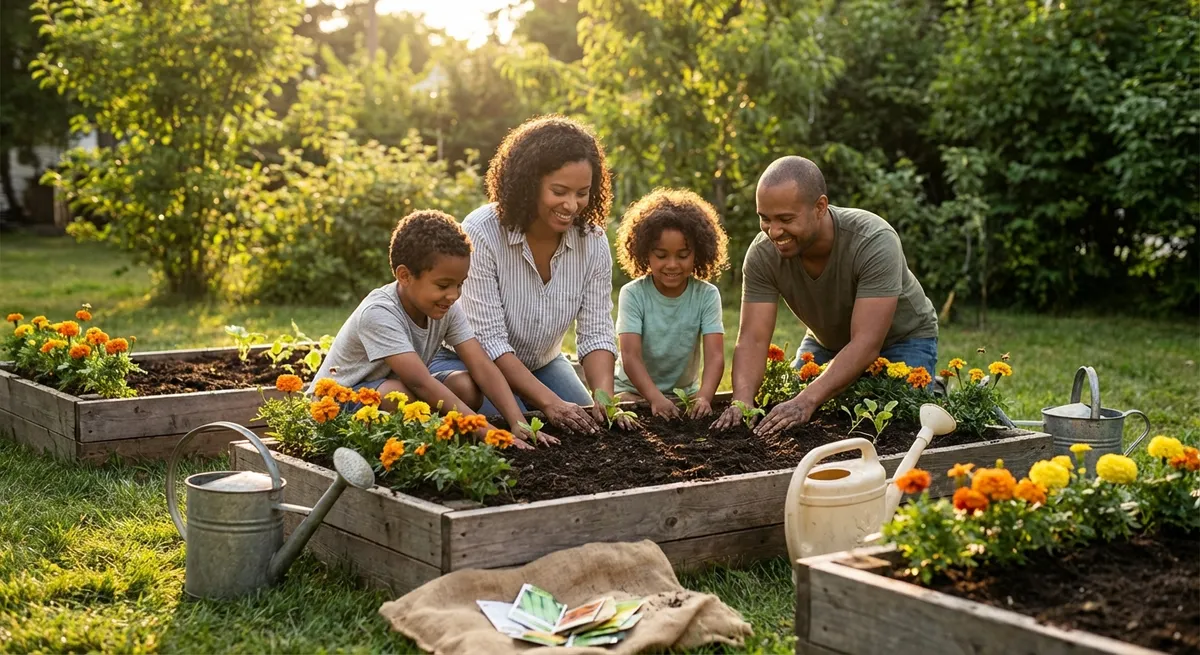
Organic gardening isn’t about perfection—it’s about growing healthy plants, healthy soil, and a healthier you. Whether you’ve got a sprawling backyard or a single sunny balcony, you can create an organic garden that feels lush, alive, and surprisingly low-stress. Let’s walk through simple, practical ways to grow beautiful plants without relying on synthetic chemicals—and enjoy the process along the way.
What “Organic” Really Means in Your Garden
When we hear “organic,” we often think “no chemicals,” but in the garden it’s a bit more specific. Organic gardening focuses on working with nature instead of trying to control it with synthetic fertilizers, pesticides, and herbicides. You still feed your plants and protect them—you just choose methods and products that are natural or minimally processed and safe for soil life, pollinators, and people.
The heart of organic gardening is healthy soil. When soil is alive with worms, fungi, and beneficial bacteria, plants can access nutrients more easily and handle stress better. That means fewer problems with disease and pests over time. Organic gardeners also pay close attention to biodiversity—mixing plants, attracting insects and birds, and encouraging balance instead of trying to wipe everything out.
This approach doesn’t mean your garden will be wild or messy (unless you want it to be). You can still shape beautiful borders, tidy beds, and color-coordinated containers. The difference is that you’re building a little ecosystem, not just decorating a space.
Start With Soil: Building a Living Foundation
If you remember only one thing about organic gardening, make it this: take care of your soil, and your soil will take care of your plants.
Begin by getting to know what you’re working with. Scoop up a handful of soil—does it feel sandy and gritty, heavy and clay-like, or somewhere in between? Sandy soil drains quickly but can dry out; clay soil holds water but can get compacted and waterlogged. Most plants are happiest in something loamy: crumbly, dark, and rich-smelling.
Adding organic matter is the best first step, no matter your starting point. Compost, well-rotted manure, leaf mold, and even finely shredded yard waste all feed soil life and improve structure. Spread 2–3 inches on top of your beds and gently mix it into the top layer, or simply lay it on the surface and let worms pull it down over time.
If you’re serious about long-term success, consider a soil test through your local extension service. You’ll learn your pH and nutrient levels, which can help you choose plants and decide what amendments to add. In an organic system, it’s better to make small, thoughtful adjustments than to dump on high-strength fertilizers and hope for the best.
Healthy soil retains moisture, drains well, and gives roots space to breathe. When your soil is thriving, you’ll notice plants looking sturdier, colors looking richer, and your garden bouncing back faster after hot or dry spells.
Five Friendly Tips for a Beautiful, Organic Garden
Below are five practical tips you can put into action right away. Mix, match, and adapt them to the space and time you have.
1. Choose Plants That Want to Live Where You Are
Gardening gets easier when you stop fighting your climate and microclimate. Instead of asking, “How can I keep this plant alive here?” try, “What naturally thrives in my conditions?”
Look at your sunlight patterns throughout a day: which spots get morning sun, which get full afternoon sun, and which stay mostly shaded? Match plants to those conditions using seed packets or plant tags as guides. For example, Mediterranean herbs like rosemary and thyme love full sun and well-drained soil; leafy greens like lettuce are happier with some shade in hot climates.
Favor native or regionally adapted plants when you can. They’re already tuned to your local weather, pests, and soil. That means less watering, less fussing, and fewer pest problems—perfect for an organic approach.
2. Feed Plants Slowly, Not All at Once
Synthetic fertilizers are like energy drinks: a quick rush followed by a crash. Organic feeding is more like a balanced meal. You provide steady nourishment over time, and soil life helps deliver it in the right form.
Some simple organic feeding options:
- Compost: Add a thin layer around plants once or twice a year.
- Worm castings: Great for containers and seedlings; mix a small amount into potting soil.
- Organic granular fertilizers: Look for blends made from ingredients like bone meal, feather meal, kelp, and alfalfa. Follow package directions, but err on the gentle side.
You don’t need a complicated schedule. A good baseline: feed heavily in early spring when plants start growing, then lightly mid-season for heavy feeders like tomatoes, squash, and roses. Overfeeding—even with organic products—can lead to lush leaves but few flowers or fruits, so observe and adjust instead of following a rigid calendar.
3. Welcome (Some) Bugs and Birds Into the Garden
In an organic garden, not every insect is the enemy. Many are your unpaid staff: ladybugs, lacewings, ground beetles, and birds all help keep pests in check.
To attract natural allies:
- Plant nectar-rich flowers like yarrow, dill, fennel, cosmos, and marigolds among your veggies and ornamentals.
- Leave a few “wild corners” with leaf litter or small brush piles where beneficial insects can shelter.
- Add a shallow birdbath with stones so pollinators and birds can drink safely.
When pests appear, resist the urge to reach for a spray immediately. First, check how many leaves are actually affected, and whether predators are already present. Often, a mild outbreak fizzles out once beneficials catch up. If you do need to step in, start with the gentlest option: hand-picking, pruning off affected leaves, spraying with a strong jet of water, or using insecticidal soap spot-treatments.
Over time, your garden finds a natural rhythm. A few holes in leaves become a sign of life, not failure.
4. Use Mulch to Lock In Moisture and Calm the Weeds
Mulch is one of the simplest tools with the biggest payoff in an organic garden. A 2–3 inch layer of organic mulch (like shredded leaves, straw, wood chips, or bark) around your plants can:
- Hold moisture in the soil so you water less
- Keep roots cooler in summer and warmer in winter
- Suppress many weeds before they get started
- Gradually break down and improve your soil
Keep mulch a couple of inches away from plant stems and trunks to prevent rot and pest hiding spots. In vegetable beds, straw or shredded leaves work beautifully; in ornamental beds, bark or wood chips look neat and polished.
If you’re gardening in containers, you can still mulch. A thin layer of fine bark, straw, or even decorative pebbles helps reduce evaporation and keeps the potting mix from crusting over.
5. Rotate and Mix Crops to Keep Problems Moving
Planting the same thing in the same spot year after year invites trouble. Pests and diseases that love that plant learn exactly where to find it, and the soil can become unbalanced from constant nutrient demands.
You don’t need a complicated chart to benefit from crop rotation. Just keep a simple rule: don’t replant the same plant family in the same spot two years in a row. For example:
- Tomatoes, peppers, eggplants, and potatoes (nightshades) should move around.
- Cabbage, kale, broccoli, and Brussels sprouts (brassicas) should rotate to a different bed.
- Beans and peas (legumes) fix nitrogen and are great to follow heavy feeders.
Mixing plants together also confuses pests and makes your garden more visually interesting. Try tucking marigolds among tomatoes, or growing basil around peppers. Flowers, herbs, and vegetables can all share a bed and still look cohesive if you repeat colors or shapes.
Keeping Organic Gardening Realistic (and Fun)
Organic gardening doesn’t have to be all-or-nothing or overwhelming. You can start with one bed, one container, or one habit—like switching to compost-based fertilizer or adding a layer of mulch—and grow from there.
Give yourself permission to experiment and make mistakes. Plants will sometimes fail, even when you do everything “right.” Instead of seeing that as proof you can’t garden, treat it as information: maybe that plant wanted more sun, a different soil texture, or simply wasn’t suited to your climate. Each season you’ll learn a little more, and your garden will quietly improve in the background.
Most of all, remember to enjoy the process: the first sprouts peeking through soil, the scent of tomato leaves on a warm evening, the buzz of bees floating from flower to flower. Those small, everyday moments are the real harvest of an organic garden.
Conclusion
A beautiful organic garden doesn’t depend on rare plants or perfect conditions—it depends on healthy soil, thoughtful plant choices, and gentle, consistent care. By feeding your soil, welcoming beneficial creatures, using mulch wisely, and rotating what you grow, you create a space that looks good and does good.
Start small, stay curious, and let your garden teach you. Over time, you’ll find that your plants, your soil, and even your outlook on your outdoor space will feel more alive, resilient, and rewarding.
Sources
- USDA: Introduction to Organic Practices - Overview of organic principles and common practices used in organic production
- University of Minnesota Extension – Soil Management and Health - Research-based guidance on building and maintaining healthy soil
- Royal Horticultural Society – Organic Gardening - Practical advice on organic methods, pest control, and soil care
- Penn State Extension – Attracting Beneficial Insects - Details on using plants and habitat to encourage natural pest control
- UC ANR – Garden Mulches - Evidence-based information on types of mulch and their benefits in home gardens