
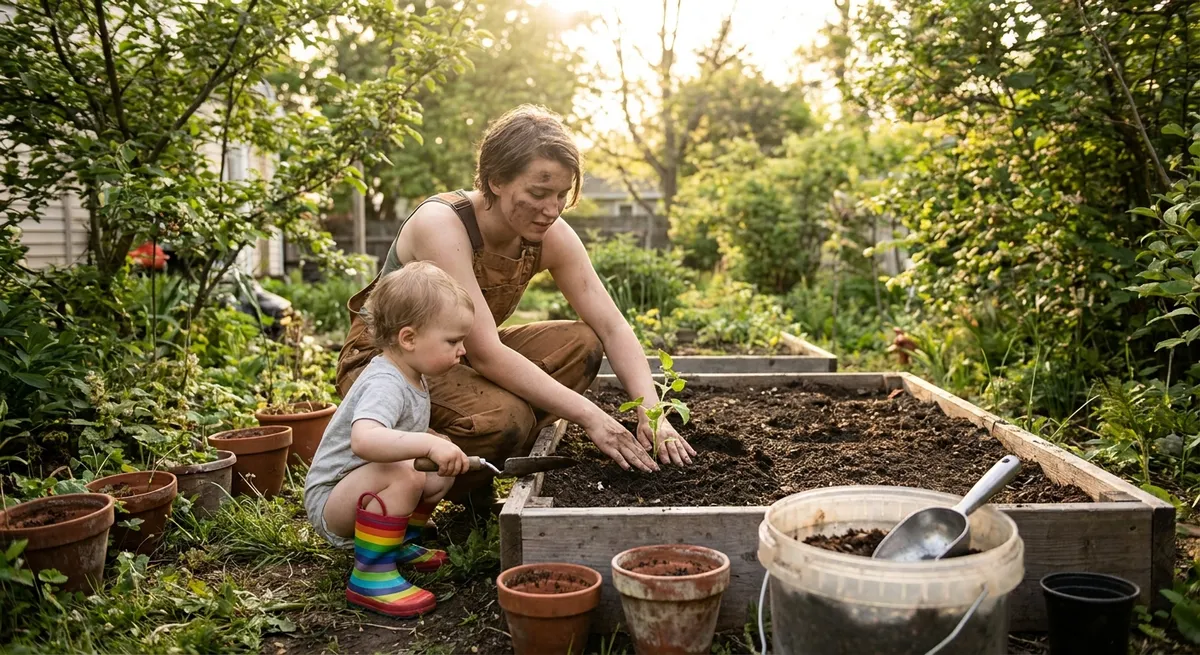
Organic gardening doesn’t have to mean perfection, endless free time, or a backyard that looks like a magazine cover. It simply means growing with fewer harsh chemicals, more intention, and a closer relationship with your soil, plants, and the tiny life-forms that keep everything humming. At Glimsy Garden, we love gardens that feel alive, a little wild in the best way, and absolutely doable in real life—busy schedules, curious kids, nosy pets and all.
This guide will walk you through practical, friendly steps to start (or refresh) an organic garden you can actually maintain. You’ll find five down‑to‑earth tips, from building living soil to choosing the kinds of plants that practically cheer you on.
Start with Soil That Feels Like Chocolate Cake
If organic gardening has a secret main character, it’s the soil—not the plants. When your soil is healthy, everything else gets easier: fewer pests, less watering, stronger growth, and better flavor.
Begin by getting to know what you already have. Grab a handful of soil and squeeze. Does it fall apart like dry sand, clump like clay, or feel crumbly and soft, like chocolate cake? That crumbly texture is what you’re aiming for. If your soil is too sandy, it drains too fast; if it’s heavy clay, water can’t move easily and roots struggle.
Organic gardeners focus on feeding the soil, not just the plants. Add compost once or twice a year as a top layer (a thin “blanket” about 1–2 inches deep). You don’t have to dig it in; worms and microbes will do that for you. Well‑rotted compost, leaf mold, and aged manure all help create that dreamy, crumbly structure.
If you’re up for a little extra learning, a basic soil test (often available from local extension services or garden centers) can tell you if you’re low on nutrients or if your soil is very acidic or alkaline. Instead of rushing to buy quick‑fix fertilizers, adjust slowly with organic amendments such as rock phosphate, bone meal, or kelp meal, following the test recommendations.
Healthy soil is like a savings account for your garden: every season you add organic matter, you’re investing in fewer problems and more resilience down the road.
Tip 1: Let Compost Do the Heavy Lifting
Compost is the quiet engine of an organic garden. It turns everyday scraps and yard waste into a rich, dark material that feeds the soil, improves structure, and gently delivers nutrients over time.
You don’t need fancy equipment to compost. A simple bin, a corner of your yard, or a lidded tub on a balcony can work. Combine “greens” (kitchen scraps like fruit and vegetable peels, coffee grounds, and fresh grass clippings) with “browns” (dry leaves, shredded paper, and small twigs). Aim for roughly equal parts by volume and keep it just moist, like a wrung‑out sponge.
If you’re worried about smells or pests, cover fresh scraps with a layer of browns, keep meat and dairy out of the pile, and make sure there’s some airflow. Turn the pile now and then if you can, but don’t stress if you forget—compost will still break down; it just takes longer.
Once the compost looks dark and crumbly and you can’t recognize the original ingredients, it’s ready. Spread it around your plants in spring and fall, tuck small handfuls into planting holes, or use it to top off containers. Over time, this one habit can replace most store‑bought fertilizers and keep your garden nourished the organic way.
Tip 2: Choose Plants That Want to Thrive Where You Live
Organic gardening is much easier when you let your climate do some of the work. Instead of trying to force thirsty, delicate plants to survive, pick varieties that actually like your local weather, light, and soil.
Start by observing your garden space: Where does the sun hit for most of the day? Which corners stay shady, windy, or extra hot? Notice where water tends to pool or run off after rain. Matching plants to these micro‑spots is one of the kindest things you can do—for yourself and your garden.
Opt for disease‑resistant and regionally adapted varieties when you can. Many seed packets and plant labels note resistance to common problems like powdery mildew or blight. Local nurseries and plant swaps are often goldmines for varieties that already “know” your climate.
If you can, weave in some native plants. They’re often better at supporting local pollinators and beneficial insects, and they usually need less fuss once established. For food gardens, mix a few “reliable workhorses” (like kale, chard, bush beans, or herbs such as thyme and chives) with a few “experiment” plants each season so you can learn what really shines in your space.
The more your plants feel at home, the less you’ll have to rescue them—and the more your garden will feel like it’s genuinely co‑operating with you.
Tip 3: Use Mulch as Your Garden’s Cozy Blanket
Mulch might be the simplest way to keep your organic garden healthier with far less daily work. Think of it as a protective blanket for your soil.
A 2–3 inch layer of organic mulch—like shredded leaves, straw (not hay), wood chips, or grass clippings—will help your soil hold moisture, moderate temperature swings, and reduce weeds by blocking light to weed seeds. Over time, that mulch breaks down and becomes part of your soil, quietly feeding it.
In flower beds and around shrubs, wood chips, bark, or shredded leaves work beautifully. In vegetable beds, straw or chopped leaves are often easier to move when you want to sow seeds. Just keep mulch a couple of inches away from plant stems to prevent rot and give air a chance to circulate.
Mulch also creates a nicer environment for worms and beneficial soil organisms, which are foundational to organic gardening. Once you get used to mulching, your bare soil will start to look “unfinished”—and you’ll probably notice you spend less time weeding and watering.
Tip 4: Think “Balance,” Not “Battle,” with Pests
In an organic garden, pests aren’t an enemy to eradicate; they’re a signal. A few nibbled leaves can actually mean your garden is part of a living, functioning ecosystem. The goal is balance, not spotless perfection.
Start with prevention. Healthy plants in good soil are naturally more resistant to pests and diseases. Water deeply but less often, aiming for the soil rather than the leaves. Space plants so they have airflow and aren’t constantly staying damp—many fungal problems love crowded, wet foliage.
Next, invite beneficial insects. Ladybugs, lacewings, parasitic wasps, and hoverflies all help control aphids and other pests. You can attract them by planting nectar‑rich flowers like dill, yarrow, calendula, alyssum, and cosmos among your veggies and ornamentals. Mixed plantings are more visually interesting and more pest‑resistant than large single‑crop blocks.
When you do notice a problem, start with the gentlest response. Hand‑pick larger pests like slugs or caterpillars, wash aphids off with a firm spray of water, or prune off badly affected leaves. Save organic pesticides like insecticidal soap or neem oil as a last resort, and always follow label directions carefully—they can still harm beneficial insects if overused.
Over time, you’ll get to know your garden’s patterns: which pests show up when, which plants are usually strong, and how quickly predators arrive. That knowledge is more powerful than any spray bottle.
Tip 5: Design for Beauty You Can Actually Maintain
A beautiful organic garden doesn’t have to be elaborate. It just needs a few thoughtful choices that give you color, texture, and structure without demanding constant attention.
Start by choosing a simple color palette you love—maybe soft pastels, bright jewel tones, or greens with splashes of white. Repeating a few favorite colors (and plants) throughout the garden ties everything together and makes planting decisions easier. For example, you might decide on purple, white, and chartreuse and look for flowers and foliage that echo those shades.
Mix long‑blooming perennials (like coneflowers, black‑eyed Susans, or salvias) with seasonal annuals you can swap out for quick color pops. Add at least a few evergreen or winter‑interest plants—such as ornamental grasses, hellebores, or shrubs with interesting bark—so your garden still has structure in the off‑season.
Think in layers: taller plants at the back or center, mid‑height in front of them, and low groundcovers at the edges. This not only looks lush and intentional, it also shades soil, reduces weeds, and can protect more delicate plants from wind and sun.
Most importantly, be honest about how much time you can give. If you’re busy, choose fewer beds and plant them more densely, rather than spreading yourself thin. A small, thriving organic garden is far more satisfying than a big, patchy one that stresses you out.
Conclusion
Organic gardening is less about following rigid rules and more about building a steady relationship with your space. When you feed your soil, choose plants that belong, cover and protect the ground, welcome allies like beneficial insects, and design with your actual life in mind, your garden starts to feel like a partner instead of a project.
You don’t have to change everything at once. Pick one tip—maybe starting a tiny compost bin, or adding mulch where your soil is bare—and try it this season. Then add another, and another. Over time, these small, organic choices stack up into a garden that’s not just beautiful to look at, but satisfying to care for.
Your garden doesn’t have to be perfect to be deeply worth loving. It just has to be growing, learning, and evolving—right alongside you.
Sources
- USDA: Introduction to Organic Practices - Overview of core organic farming and gardening principles from the U.S. Department of Agriculture
- University of Minnesota Extension: Improving Garden Soils with Composts and Organic Matter - Research‑based guidance on building healthy soil and using compost effectively
- Royal Horticultural Society: Mulching - Detailed information on different mulch types, how to use them, and their benefits
- University of California IPM: Natural Enemies Gallery - Visual guide to beneficial insects and how they help manage garden pests
- Lady Bird Johnson Wildflower Center: Native Plant Information Network - Database to help choose regionally appropriate plants and natives for resilient gardens