
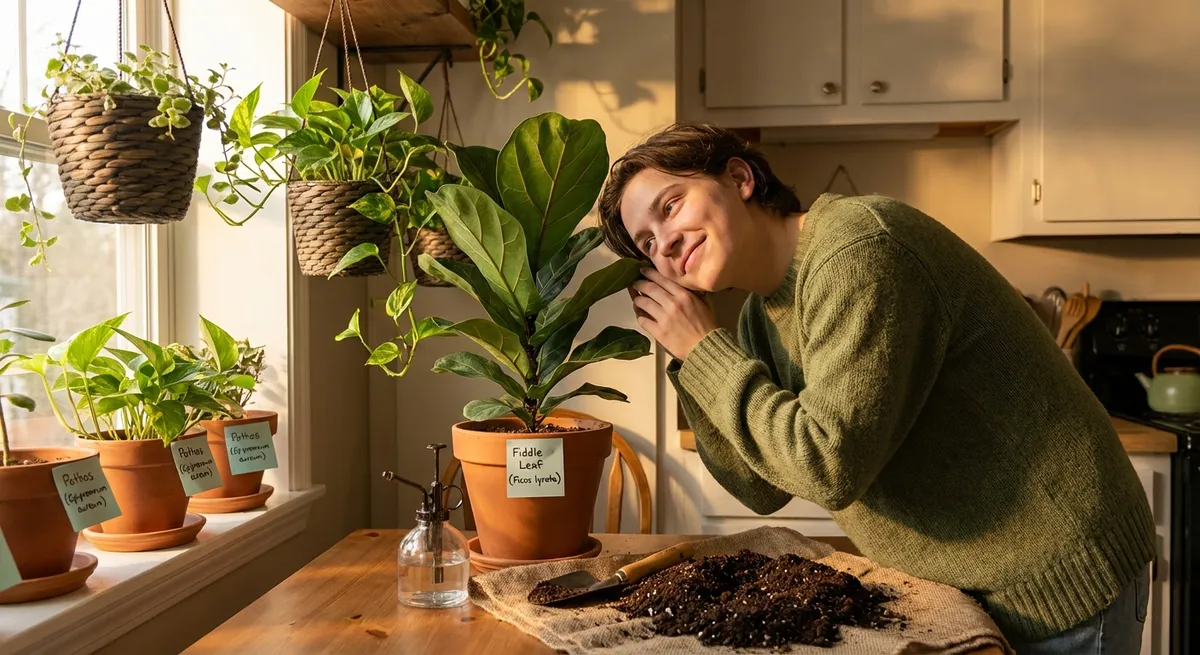
Plants don’t come with instruction manuals, but they do come with signals, rhythms, and little “tells” that make caring for them surprisingly intuitive once you know what to look for. Whether your garden is a few pots on a balcony or a whole backyard wonderland, learning to “listen” to your plants is the real secret to keeping them happy.
This guide walks you through practical, down‑to-earth plant care that feels less like a chore and more like a conversation. Along the way, you’ll find five simple tips you can start using today to create and maintain a garden you genuinely love spending time in.
Getting to Know Your Plants (So You Stop Guessing)
The most beautiful gardens aren’t built on expensive tools or fancy fertilizers—they’re built on understanding. Before you water, prune, or re-pot anything, take a moment to get curious about what each plant actually prefers. Sun-lovers like lavender and tomatoes want long stretches of bright light, while shade-tolerant friends like hostas and ferns scorch easily in the afternoon sun. Soil preferences matter just as much: herbs often appreciate well-draining, slightly gritty soil, while moisture-loving plants want soil that holds water a bit longer.
A simple habit is to read plant tags or do a quick search when you bring a new plant home, then jot the basics on a small marker or in your phone: light, water, and general temperament (tough, sensitive, fast-growing, etc.). Over time, you’ll notice patterns—succulents and cacti behave differently from leafy ornamentals, and fruiting plants often demand more nutrients. Rather than memorizing everything, let your garden be your classroom. The more you observe, the less you’ll feel like you’re “winging it” and the more you’ll feel like you’re working with your plants instead of against them.
Tip 1: Treat Light Like a Daily Ingredient, Not a Background Detail
Light is the fuel that makes everything else work. You can water perfectly and use great soil, but if the light is off, your plants will quietly struggle. Outdoors, watch your space for a full day: where does the sun hit first, where does it linger, and where does it retreat by noon? This gives you real information you can use—full sun (6+ hours), partial sun/shade (3–6 hours), and shade (under 3 hours).
Once you know your light zones, start matching plants to the spaces instead of trying to force them into the wrong spots. Sun-hungry vegetables and flowering plants do best in those full-sun pockets, while shade-tolerant foliage plants and woodland flowers can bring life to dimmer areas. If your only sunny spot is tiny, prioritize high-value plants there—like tomatoes, peppers, or your favorite heat-loving flowers—and keep the rest to foliage displays in part shade.
Indoors, light can be trickier because windows filter and soften it. A south-facing window usually gives the strongest light (in the northern hemisphere), east-facing windows offer gentle morning sun, and north-facing windows tend to be the softest. If you notice leggy, stretched-out stems or pale new leaves, your plant is probably asking for more light. Too much direct sun, on the other hand, often shows up as crisp, brown patches on the leaves. Adjusting location just a few feet can make all the difference.
Tip 2: Learn the Simple “Soil Check” for Better Watering
Most plant problems people blame on “bad luck” are actually about water—usually too much of it. Instead of watering on a strict schedule, let your soil tell you when it’s time. Before you pick up the watering can, poke a finger about an inch into the soil for smaller pots and 2–3 inches for larger containers or garden beds. If it feels dry at that depth, water. If it’s still cool and slightly moist, wait another day or two.
When you do water, think deep and even rather than quick and shallow. For containers, water until you see it drain from the bottom holes, then let the pot rest and drain fully. In garden beds, slow, steady watering soaks the soil deeper, encouraging stronger roots that can handle heat and brief dry spells. Light, frequent sprinkles keep roots near the surface and make plants more dependent on constant attention.
Different plants will have different thresholds: succulents, cacti, and many Mediterranean herbs prefer to dry out more between waterings, while moisture-loving plants like hydrangeas or astilbes get stressed quickly if their soil stays bone dry. Over time, you’ll start to notice how fast different spots dry out—containers on hot patios, for example, may need more frequent checks than shaded beds in the ground.
Tip 3: Feed the Soil So the Soil Can Feed Your Plants
Healthy plants begin below the surface. Instead of thinking, “What fertilizer should I buy?” start with, “What does my soil already have—and what is it missing?” If you’re gardening outdoors, a basic soil test from a local extension service or garden center can tell you a lot about pH, organic matter, and nutrient levels. This information helps you avoid guesswork and overfertilizing, which can burn roots and harm nearby waterways through runoff.
Compost is your best all-around ally. Adding a layer of compost to your beds once or twice a year improves texture, feeds beneficial microbes, and slowly releases nutrients. In pots, use a high-quality potting mix and refresh the top couple of inches with compost or fresh mix once or twice a year. During the growing season, many flowering and fruiting plants appreciate a gentle boost from a balanced or slightly higher-phosphorus fertilizer, while leafy plants and herbs often respond well to nitrogen-focused formulas.
The key is moderation. More fertilizer is not better; it’s just more stressful for the plant. Watch how your plants respond over a few weeks. Healthy growth, sturdy stems, and good color mean you’re on the right track; overly lush, floppy growth with few flowers often signals too much feeding. When in doubt, aim for slightly under-feeding rather than overdoing it, and build long-term fertility with organic matter in the soil.
Tip 4: Use Pruning as a Friendly “Refresh,” Not a Scary Surgery
Pruning sounds intimidating, but at its core, it’s just selective editing to help your plants look and feel their best. Think of it as giving your garden a refresh: you’re tidying, removing what’s dragging the plant down, and encouraging new, healthy growth. A few simple habits go a long way. Regularly remove dead, diseased, or damaged stems and leaves—these parts are not helping the plant and can harbor pests or disease.
Many flowering annuals and perennials bloom more generously if you “deadhead” spent flowers, which helps redirect energy toward new buds instead of seed production. For bushy plants, pinching back the tips of stems can encourage branching, leading to a fuller shape and more blooms. Just make sure your tools are clean and sharp; a quick wipe with alcohol between plants prevents spreading disease.
Shrubs and larger perennials benefit from occasional shaping to keep them from getting woody or lopsided. Start slowly—take off less than you think, step back often, and watch how the plant responds over a season. Over time, you’ll start to recognize how different plants behave after a trim, and pruning will feel more like a normal part of your routine than a high-stakes moment.
Tip 5: Make Maintenance Easier with Smart, Small Systems
Beautiful gardens don’t stay that way by accident, but maintaining them doesn’t have to eat your weekends either. The secret is building tiny systems that quietly reduce your workload. Mulch, for example, is a simple layer of shredded bark, straw, or leaves that covers bare soil. It suppresses weeds, keeps moisture in, and helps moderate soil temperature—all while giving your beds a more finished look.
Grouping plants with similar needs in the same area or in the same container makes watering and feeding much simpler. If you put your thirsty plants together and your drought-tolerant ones together, you’re not constantly juggling conflicting care routines. A few small tools stored where you actually garden—a hand trowel, pruners, gloves—make it much more likely you’ll pull a weed or snip a dead flower when you notice it, instead of putting it off.
Finally, create a simple rhythm instead of a strict schedule. Maybe you do a 10-minute “garden walk” a few times a week, just observing: any droopy leaves, pests, or dry spots? A little attention, given regularly, prevents small issues from becoming full-blown problems. When your care fits naturally into your routine, your garden feels less like a project and more like a living space you enjoy tending.
Conclusion
Caring for plants isn’t about getting everything perfect—it’s about paying attention, making small adjustments, and letting yourself learn as you go. When you understand light, water, soil, and a bit of pruning, you’re already miles ahead of “plant killers” who rely only on guesswork and hope.
Your garden, no matter its size, can become a place where you feel proud, relaxed, and connected to something living. Start with these five tips, notice how your plants respond, and let that ongoing conversation guide you. Over time, you’ll find that you’re not just keeping plants alive—you’re helping them truly thrive, and they’re giving that energy right back to you.
Sources
- University of Illinois Extension – Understanding Your Garden’s Microclimate – Explains how light and site conditions affect plant performance
- University of Minnesota Extension – Watering Established Plants and Lawns – Practical guidance on when and how much to water garden plants
- Cornell University – Improving Garden Soil with Compost – Covers how compost improves soil structure and plant health
- Royal Horticultural Society – Pruning and Training – Detailed advice on why, when, and how to prune different plants
- USDA – Soil Health Basics – Overview of healthy soil principles and why they matter for plant growth