
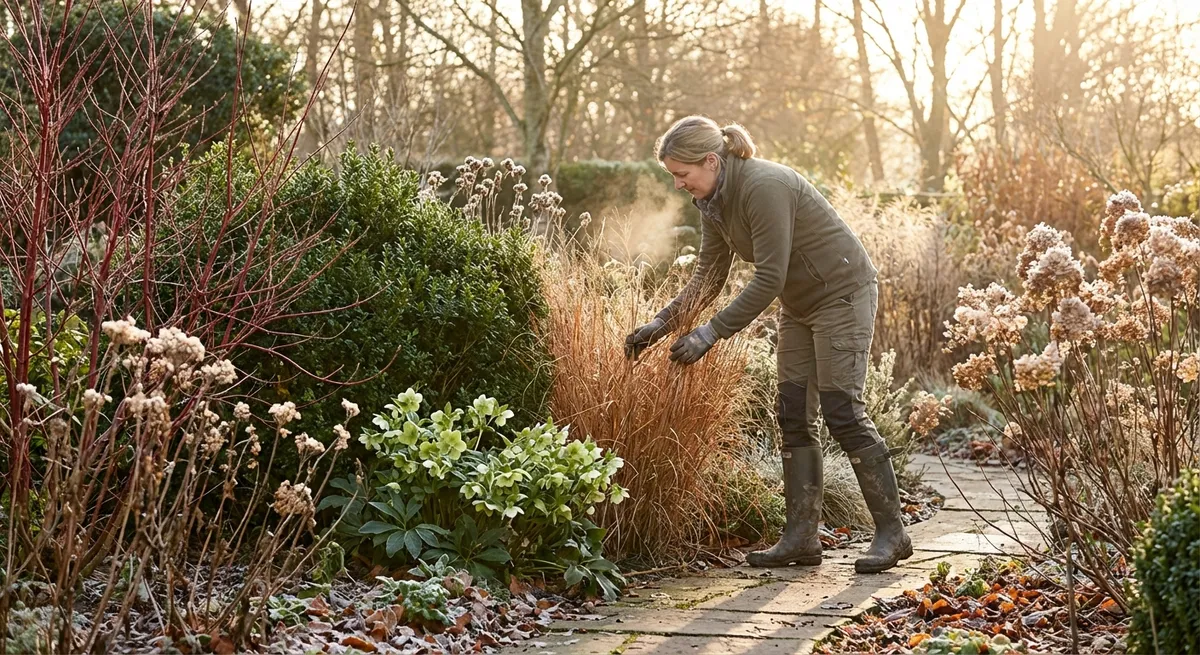
A beautiful garden isn’t about having the “perfect” space or rare plants—it’s about creating a place that makes you breathe a little deeper every time you step outside. With a few simple design ideas and some steady care, you can turn even a small patch of earth into a space that feels inviting in every season. Let’s walk through how to shape a garden that looks good now, keeps getting better with time, and is actually enjoyable to maintain.
Start With Shape: Paths, Curves, and Cozy Corners
Before choosing plants, think about how you want to move through and use your garden. The “bones” of your space—paths, edges, and seating spots—do more for beauty than most people realize.
Look at your yard from a window or doorway. Notice where your eyes naturally travel and where you’d like to pause. Gentle curves in beds and paths usually feel more relaxed than straight lines, especially in small home gardens. You can outline new shapes using a garden hose or rope first to see how they feel before you start digging.
Even a tiny bench, a couple of chairs, or a big flat stone can become a “destination” in the garden. Place seating where there’s something to look at: a favorite plant, a bird feeder, a pretty view, or the setting sun. Add simple edging (bricks laid flat, metal edging, or even logs) to separate beds from lawn or paths—this makes everything look tidier with very little effort.
Tip #1: Sketch your layout before planting.
Draw a simple plan that shows paths, beds, and seating areas. It doesn’t have to be perfect. A rough sketch helps you avoid random planting and makes your garden feel intentional from day one.
Think in Layers: Tall, Medium, and Low
A beautiful garden usually has depth, not just a flat row of plants. You can create this by layering plant heights the way a painter layers colors.
Place taller plants (like shrubs, ornamental grasses, or small trees) at the back of a border or along fences and walls. Medium-height plants go in front of them, and low growers or groundcovers fill the front and spill onto paths. This simple structure gives your garden a “stacked” look that feels full and lush, even when individual plants aren’t at their peak.
Aim for a mix of shapes too: upright spikes (like salvia), round mounds (like many herbs), and soft, flowing forms (like fountain grasses). The contrast makes each plant more noticeable. When you repeat similar plants or shapes in several spots, the garden looks connected instead of chaotic.
Tip #2: Choose a few “workhorse” plants to repeat.
Pick 3–5 reliable plants that you love and that suit your climate, then use them in several places. Repetition makes your garden look more polished and easier to design, even if you’re just starting out.
Color That Feels Calm (Not Chaotic)
Color is where many gardeners either play it too safe—or get overwhelmed. You don’t need a rigid color scheme, but a little strategy goes a long way.
First, notice what colors you’re drawn to in clothes, art, or home décor. Soft pastels and silvery foliage can create a calm, cottage feel. Bright reds, oranges, and yellows give a more energetic, tropical vibe. You can mix both, but it helps to choose one “mood” as your main theme and use the other as accents.
Use foliage color as your foundation. Green comes in so many shades—deep, bright, bluish, chartreuse—and it lasts longer than flowers. Plants with colorful leaves (like heuchera, coleus, or variegated hostas) keep beds interesting when blooms are between cycles. Then layer in flowers that echo or gently contrast those leaf colors.
Tip #3: Plan for one main color “moment” per season.
Pick at least one plant that puts on a show in spring, summer, fall, and (if your climate allows) winter. For example: spring bulbs, summer perennials, fall foliage, and a shrub with winter berries. This keeps your garden from feeling “done” after one big bloom time.
Design With Maintenance in Mind
A garden should be enjoyable to care for, not a constant battle. Designing for easy maintenance just means being honest about how much time and energy you really want to spend.
Choose plants that match your light and soil instead of forcing things to grow where they’re unhappy. Full-sun plants will never thrive in deep shade, no matter how much you love them. Local extension websites and plant tags are helpful starting points, but also notice what grows well in your neighbors’ yards—that’s a great clue.
Group plants with similar water needs together so you’re not trying to keep a thirsty plant happy next to a drought-tolerant one. Use mulch (like shredded bark, leaves, or compost) around your plants to help keep moisture in and weeds out. And don’t be afraid to start small—one well-planted, well-cared-for bed is far more beautiful than a big area you’re too overwhelmed to maintain.
Tip #4: Set a “garden care budget” of time per week.
Decide how many minutes you can realistically give your garden most weeks—maybe 20, maybe 60. Let that guide how big you plant and which plants you choose. A garden that fits your life will always look better than one that’s too demanding.
Keep It Evolving: Small Habits, Big Impact
Beautiful gardens aren’t built in a day; they’re grown through seasons of small, consistent actions. Instead of huge, exhausting clean-up days, try short, regular habits that quietly keep everything on track.
Walk through your garden a few times a week, even if just for five minutes. On each walk, pull a couple of weeds, deadhead a few spent flowers, or check moisture in a pot. This gentle “check-in” keeps problems from piling up and helps you notice what’s thriving and what’s struggling.
Take photos across the seasons and look at them the way you’d evaluate a room in your home. Is there an empty spot that needs a plant with height? A corner that looks flat all winter? A color that feels jarring? Little by little, you can edit and improve—not by starting over, but by learning from what the garden is showing you.
Tip #5: Keep a simple garden notebook or notes app.
Jot down what blooms when, which plants need more space, and ideas you love from other gardens. When planting season comes, you’ll make better choices and avoid repeating the same frustrations year after year.
Conclusion
Designing a garden isn’t about rigid rules; it’s about shaping a space that feels welcoming to you and anyone who visits. When you start with simple structure, layer your plants, think thoughtfully about color, and design for the time you realistically have, your garden will naturally become more beautiful each year.
Most importantly, let your garden be a place of curiosity, not perfection. Try things. Move plants. Learn from what works and what doesn’t. Your garden is a living, changing story—and you get to be both the author and the audience.
Sources
- Royal Horticultural Society – Garden Design Basics – Overview of core design principles like structure, scale, and planting.
- University of Minnesota Extension – Perennial Garden Design – Practical guidance on layering heights, color, and bloom times.
- University of Florida IFAS Extension – Right Plant, Right Place – Explains how matching plants to site conditions simplifies maintenance.
- Royal Horticultural Society – Garden Colour – Detailed look at using color effectively in garden design.
- Cornell Cooperative Extension – Mulch in Home Gardens – Research-based info on how mulch supports healthy, low-maintenance beds.