
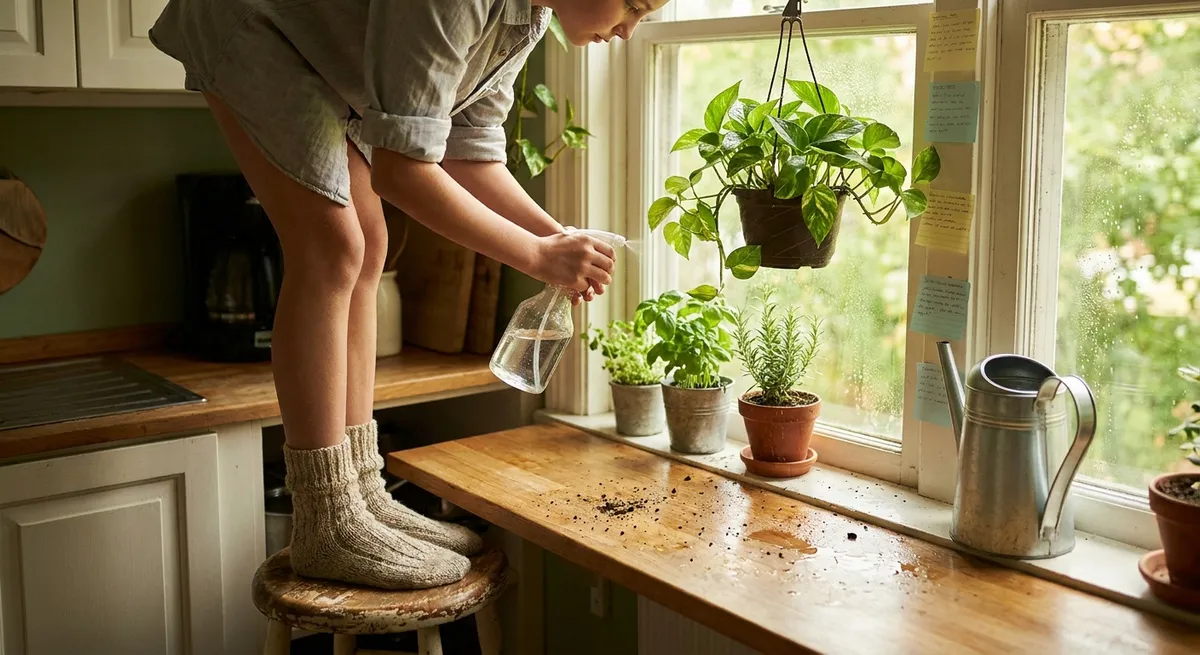
There’s something quietly wonderful about a garden that feels cared for, not perfect. The secret isn’t having “a green thumb” – it’s building small, kind habits that your plants can rely on. With a few simple routines, you can turn any balcony, backyard, or windowsill into a space that stays beautiful through the seasons, without feeling like a full-time job.
In this guide, you’ll learn practical, low-stress ways to care for your plants and five down-to-earth tips to help your garden look and feel its best.
Start With the Light You Actually Have
Before you buy another plant, get to know your light. Light is the plant version of a daily schedule – if it’s wrong, everything else feels harder.
Spend a day paying attention to where the sun goes. Which spots get bright direct sun for hours? Which areas stay gently bright but never harsh? Which corners are mostly shaded and cool? Write it down or snap a few photos at different times of day so you can see the pattern clearly.
Once you know your light, match plants to those conditions instead of forcing them into the wrong place. Sun-loving herbs and veggies (like tomatoes, basil, and peppers) will be happiest in those bright, hot spots, while shade lovers (like hostas, ferns, and many houseplants) will thrive in softer light. If you’re unsure, check the plant tag or research before planting – it’s much easier to choose the right plant than to keep the wrong plant alive in the wrong spot.
When you work with your light instead of against it, plants grow more steadily, need less rescuing, and your garden naturally looks fuller and healthier.
Treat Watering Like a Conversation, Not a Chore
Watering isn’t about sticking to a strict schedule – it’s about checking in. Think of it as a little conversation with your plants rather than a box to tick off.
Instead of watering every day “just because,” get in the habit of testing the soil with your finger. For most garden plants and many houseplants, the top inch of soil should feel dry before you water again. If it still feels cool and damp, wait a day or two. Over time, you’ll start to notice patterns: containers dry out faster, shaded beds stay moist longer, and newly planted areas need more attention than established ones.
When you do water, do it slowly and deeply. Aim for the base of the plant, not the leaves, so the roots actually receive the moisture. Morning is often the best time, because the water can soak in before the heat of the day and leaves have time to dry out, which helps prevent disease. In containers, water until you see moisture draining from the bottom – that’s a sign the water has reached all the way through.
If you can, group plants with similar water needs together. Thirsty plants near drought-tolerant ones make watering confusing, but clusters of similar needs let you care for them in one simple, confident routine.
Feed the Soil So It Can Feed the Plants
Beautiful gardens start underground. Instead of focusing only on plant food in a bottle, think about feeding your soil so it becomes rich, crumbly, and alive.
Healthy soil holds moisture better, drains well, and gives roots the nutrients they need. You can build this kind of soil by adding organic matter like compost, leaf mold, or well-rotted manure each year. Spreading a layer over your beds and gently mixing it into the top few inches can make a long-term difference in how strong and vibrant your plants grow.
Mulch is another quiet hero. A 2–3 inch layer of organic mulch (like shredded leaves, wood chips, or straw) around your plants helps keep moisture in, slows down weeds, and gradually breaks down to feed the soil. Just keep it a small distance away from the stems to prevent rotting.
If you’re curious about what your soil is missing, consider a soil test. Many local cooperative extensions offer affordable testing, and the results give you clear suggestions – like whether you need to add lime, adjust pH, or skip certain fertilizers altogether. This helps you avoid guessing, overfeeding, or wasting money on products you don’t actually need.
When the soil is happy, plants root more deeply, resist pests and disease more easily, and your whole garden looks more lush with less effort.
Design Simple Plant Pairings That Make Each Other Shine
You don’t need a full landscape plan to create a garden that looks intentional and inviting. A few thoughtful plant pairings can make a big difference in how your space feels.
Start by noticing shapes and heights. A bed with only one height of plants can look flat and sparse, but mixing tall, medium, and low-growing plants creates a layered, visually rich look. For example, you might combine tall spiky flowers (like salvia or foxglove), mid-height mounding plants (like geraniums or coneflowers), and low, spreading groundcovers (like creeping thyme or sedum).
Color is another simple way to create harmony. You can choose a calming palette (soft greens, whites, pale pinks, blues) or a bolder one (oranges, reds, bright yellows). Repeating the same few colors and plants in different spots ties the garden together so it feels cohesive rather than chaotic. Repetition is your friend – if you love a plant and it does well, plant it in a few places instead of buying something completely different every time.
For edible gardens, mix flowers and herbs among your veggies. Marigolds, nasturtiums, and calendula add color, attract pollinators, and can help draw beneficial insects to your crops. Herbs like thyme, oregano, and basil not only taste great but also bring fragrance and texture to your beds or containers.
With just a bit of planning, your garden can look “put together” even if you’re still learning as you go.
Keep a Gentle Weekly Routine to Catch Problems Early
Small, regular check-ins keep your garden beautiful far more effectively than big, occasional overhauls. A simple weekly walk-through can become a peaceful ritual that makes everything easier.
Once a week, take 10–20 minutes to slowly walk through your garden or plant area and really look at each plant. Check for yellowing leaves, holes from insects, unexpected spots, or drooping stems. Gently turn a leaf over here and there to see if anything is hiding underneath. Often, you can catch small issues early – like a few aphids or a bit of mildew – before they become bigger problems.
Use this time to do light “tidying” too: snip off dead or damaged leaves, remove spent flowers (this is called deadheading and can encourage new blooms), and pull any tiny weeds you see. These little actions keep your plants looking fresh and reduce competition for water and nutrients.
If you notice a change and you’re not sure what it means, take a clear photo. You can compare it over time, look it up later, or ask for help from a local gardening group or extension service. This makes troubleshooting less overwhelming because you have something concrete to show and discuss.
Over time, these gentle weekly habits turn into a friendly rhythm: look, notice, tidy, adjust. Your plants get steadier care, and you get the satisfaction of seeing your garden respond.
Conclusion
A beautiful garden isn’t built from perfect knowledge; it grows from patient, everyday care. When you pay attention to light, water thoughtfully, nourish the soil, pair plants with intention, and keep a simple weekly routine, your plants begin to reward you with steady growth, color, and calm.
Start small. Choose one or two of these habits to focus on this month, and let the rest come later. Your garden doesn’t need to be finished to be enjoyed – it just needs a little consistent kindness, and you’re already capable of that.
Sources
- University of Minnesota Extension – Matching plants with light conditions - Guidance on understanding site light and choosing suitable plants
- Royal Horticultural Society – Watering plants - Practical advice on when and how to water effectively
- U.S. Environmental Protection Agency – Healthy soil and soil management - Overview of soil health and the role of organic matter
- Cornell University – Mulch basics - Research-based information on using mulch in gardens
- USDA National Institute of Food and Agriculture – Cooperative Extension System - Directory for finding local extension offices for soil tests and plant problem help