
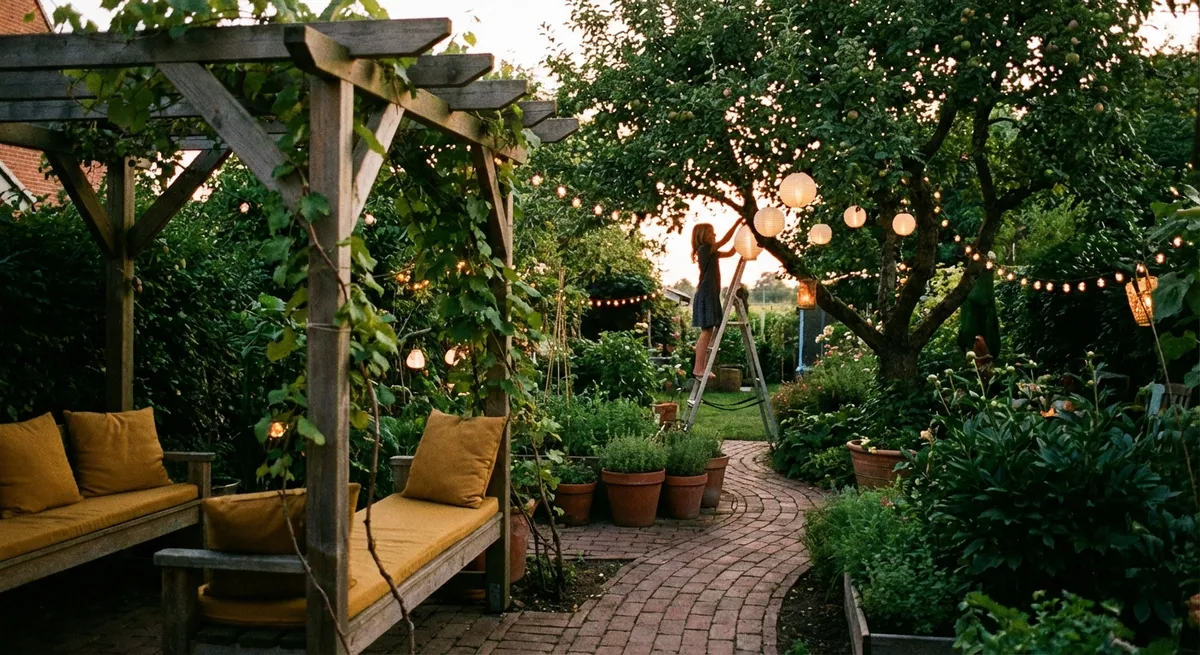
A beautiful garden isn’t only about pretty plants—it’s about how the space feels when you walk through it, sit in it, and share it with people you love. One of the most fun (and surprisingly simple) ways to shape that feeling is to think of your yard as a series of “garden rooms.” Just like rooms in a home, each outdoor space can have its own mood and purpose: a quiet reading nook, a lively dining spot, or a playful corner for kids and pets.
In this guide, we’ll walk through how to “furnish” your garden with plants, paths, and simple structures so your yard feels inviting, intentional, and easy to care for—plus five practical tips you can use right away.
What Is a Garden Room (And Why It Makes Design Easier)?
A garden room is simply a section of your outdoor space that feels like its own little world. It might be defined by a hedge, a change in ground surface, a low fence, a cluster of pots, or even just a different style of planting.
Thinking in “rooms” makes design feel much less overwhelming because you’re no longer trying to perfect the entire yard at once. Instead, you’re giving each area a job: a place to relax, to eat, to grow vegetables, to watch wildlife, or to enjoy flowers. That clarity makes it easier to choose plants, furniture, and paths that actually work together.
Garden rooms also:
- Make small yards feel bigger by creating a sense of discovery.
- Help large yards feel more human and cozy, not empty and flat.
- Encourage you to use your garden more—because it has clear, inviting spots to spend time in.
- Make maintenance easier, since each zone can be cared for as a mini-project.
Helpful Tip #1: Start by naming just one garden room.
Look outside and pick a single spot you’d love to use more—maybe near the back door or under a tree. Give it a purpose and a name, like “morning coffee corner” or “family dinner patio.” This simple step will guide every design choice you make in that area.
Shaping Space: Using Hedges, Screens, and Paths as “Walls”
Indoors, walls, doors, and hallways organize how you move through your home. Outdoors, plants and paths can do the same thing. You don’t need tall hedges or big fences; even knee‑high plantings or a slight curve in a path can suggest a boundary and create a sense of coziness.
Think about:
- Living walls: Low hedges of boxwood, lavender, or ornamental grasses can outline a sitting area without blocking air or light.
- Soft screens: Tall perennials, bamboo in containers, or trellises with vines create privacy and separation without feeling closed-in.
- Pathways: Gravel, stepping stones, wood chips, or pavers can lead you from one “room” to the next and signal a change in mood.
- Changes underfoot: Moving from lawn to deck, mulch to stone, or gravel to brick is like walking from one room into another.
For best results, keep circulation simple and intuitive—paths should gently guide visitors, not confuse them.
Helpful Tip #2: Use a “threshold” to mark entry into a garden room.
Place something noticeable where one space flows into another: an arch, a single large pot, a change in path material, or even two matching shrubs. This creates a quiet sense of “now I’m entering a new space,” which makes your garden feel more intentional and special.
Choosing Plants That Match Each Room’s Mood
Once you’ve defined a few garden rooms, you can choose plants the way you’d choose decor—based on mood, function, and how much care you can give. Instead of trying to match plants across the entire yard, you’re only styling one room at a time.
Consider:
- Calm, restful areas: Use soft colors (blues, whites, pale pinks), gentle forms, and foliage with fine texture. Think hostas, ferns, ornamental grasses, lavender, and white-flowering shrubs.
- Lively social spaces: Brighter colors and bolder shapes feel energetic. Try daylilies, coneflowers, zinnias, salvias, and flowering shrubs with strong seasonal shows.
- Productive garden rooms: In veggie beds or herb corners, focus on access, sun, and airflow. Use neat edges and repeat a few reliable crops rather than cramming in everything at once.
- Wildlife-focused corners: Include nectar-rich flowers, native plants, berries, and seed heads. Even a small patch can become a favorite stop for pollinators and birds.
To keep maintenance manageable, repeat some of the same plants in more than one room. This repetition creates a sense of cohesion so your garden feels like one story with different chapters, not a jumble of styles.
Helpful Tip #3: Match plant care needs to the room’s purpose and your energy.
If you want a low-effort reading nook, don’t fill it with high-maintenance roses that need constant pruning and spraying. Choose tough, long-lived plants suited to your climate and soil—ones that still look good even if you skip a week of weeding or deadheading.
Comfort First: Seats, Shade, and Simple Decor
A garden can look gorgeous and still go unused if it’s not comfortable. Before you worry about the perfect plant combination, make sure your garden rooms actually invite you to sit down and linger.
Think through these basics:
- Seating: A single sturdy chair, a bench, or a pair of folding bistro chairs is often enough to start. Add cushions that can be brought indoors easily.
- Shade: Use umbrellas, shade sails, pergolas, or the natural shade of trees. In hotter climates, shade can matter even more than flowers.
- Surfaces: A small side table, a low wall, or even a large flat-topped pot can hold a drink or a book.
- Lighting: Solar lanterns, string lights, or low-voltage path lights add magic in the evening and make the garden safer to use at night.
- Weather-wise choices: Choose outdoor fabrics and materials that can handle your local conditions so you spend more time enjoying and less time replacing.
Your goal isn’t to create a catalog-perfect space; it’s to create a spot where you’ll actually enjoy being, even if the weeds aren’t all pulled and the beds aren’t perfectly edged.
Helpful Tip #4: Sit in your garden room before you finalize anything.
Place a chair (any chair!) roughly where you imagine sitting and spend 10–15 minutes there. Notice sun, wind, views you love, and eyesores you’d like to hide. Adjust the spot or angle until it feels right—then build your planting and decor around that lived-in experience, not just a sketch or idea in your head.
Keeping It Beautiful: Simple Routines That Actually Stick
Garden rooms stay lovely not because they’re perfect, but because they get a bit of regular, gentle attention. Instead of marathon makeover days, light, frequent care keeps plants happy and prevents chores from piling up.
A few easy routines:
- Quick walk-throughs: Once or twice a week, walk your garden with pruners and a small bucket. Snip dead flowers, pull obvious weeds, and tidy anything broken or overgrown.
- Room-by-room care: On busy weeks, give just one room your attention. Rotate which area you focus on, so every space gets some love over time.
- Mulch and edges: A fresh layer of mulch and a clean bed edge can make a garden room look amazingly polished, even if the plantings are simple.
- Seasonal refresh: In early spring and early fall, spend a little extra time per room—adding compost, moving crowded plants, or swapping in new containers.
- Observe and adjust: If a plant constantly struggles, be kind to yourself and the plant—move it, or replace it with something better suited to that spot.
Remember that a lived-in garden is never perfectly tidy. Fallen petals, a few seed heads, and a stray leaf or two are part of the charm and support birds and beneficial insects.
Helpful Tip #5: Set a “garden date” on your calendar once a week.
Treat it like any other appointment—30 to 60 minutes devoted to one garden room. Put on music or a podcast, bring a drink, and treat it as quiet time rather than a chore list. This small, regular habit keeps your garden looking loved and stops tasks from feeling overwhelming.
Conclusion
Designing a beautiful garden doesn’t require a grand plan or a professional blueprint. By thinking in “rooms,” you can shape your yard one cozy, useful space at a time—defining simple boundaries, choosing plants that match each room’s mood, adding comfort, and keeping up with friendly little routines rather than exhausting overhauls.
Your garden will naturally evolve as you spend time in it. Let that be part of the joy: tweak a chair here, swap a plant there, add a lantern or a pot when inspiration strikes. With each small change, your outdoor rooms will feel more like a true extension of your home—and a place you genuinely look forward to stepping into every day.
Sources
- Royal Horticultural Society – Garden Design – Practical guidance on structuring gardens, choosing plants, and planning spaces.
- University of Minnesota Extension – Sustainable Lawn and Garden Design – Research-based advice on layout, plant selection, and maintenance.
- Royal Horticultural Society – Plants for Garden Design – Suggestions for plants that work well in different types of designed spaces.
- Missouri Botanical Garden – Landscaping Tips – Detailed tips on creating and caring for landscape areas at home.
- Penn State Extension – Sustainable Landscapes – Information on creating attractive, low-impact garden spaces that are easier to maintain.