
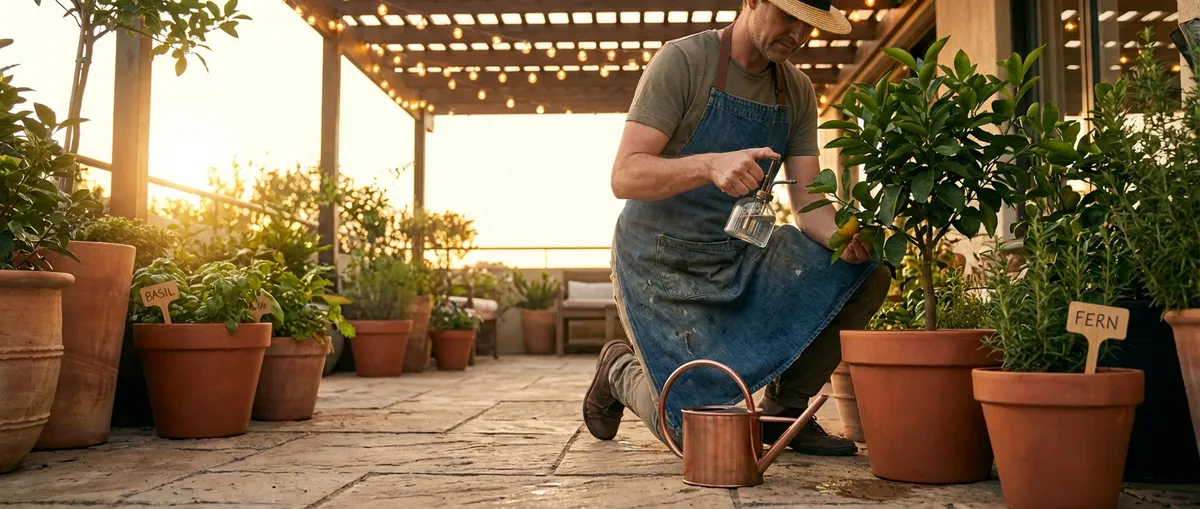
Gardens don’t become beautiful overnight—they get that way through lots of tiny, kind decisions you make for your plants day after day. The good news? Those decisions don’t have to be complicated or expensive. With a few smart habits, your garden can look fuller, healthier, and more vibrant, whether you’re tending a single balcony pot or a whole backyard bed.
Let’s walk through some practical, low‑stress plant care moves that gently nudge your garden from “it’s fine” to “wow, is this really mine?”
Start by Listening to the Light
Before you buy new plants or rearrange old ones, pause and watch how the light behaves in your space. Light is one of the most powerful tools you have—and one of the easiest to overlook.
Notice which spots get direct sun for most of the day, which ones see only soft morning light, and which stay in shade. A sunny patch near a fence will suit sun‑loving flowers and veggies, while that shaded corner might be perfect for ferns or hostas. Matching plants to the light they naturally receive reduces stress, disease, and disappointment later.
Take a day or two to check in on your garden every few hours. A place that looks bright at 9 a.m. might be fully shaded by 2 p.m. Once you understand your garden’s light pattern, plant tags and descriptions (“full sun,” “part shade”) suddenly become a lot more useful—and your plants get a better chance to thrive without constant rescuing from you.
Build Cozy Roots Before Big Blooms
A beautiful garden starts underground. Strong, happy roots mean sturdier plants, better blooms, and fewer problems down the road. Instead of focusing only on flowers or foliage, think of yourself as a “root coach.”
When you plant something new, give it a roomy, welcoming home. Loosen the soil in a wide circle, not just a tight, deep hole. Gently tease out circling roots so they can grow outward instead of wrapping around themselves. If you’re using containers, make sure they have drainage holes and use a high‑quality potting mix, not heavy garden soil that can compact in pots.
After planting, water slowly and deeply so moisture sinks down to the lower roots instead of just wetting the surface. Plants that are encouraged to send roots down and out will handle heat, wind, and the occasional missed watering far better than shallow‑rooted ones. It’s like giving your plants a solid foundation before asking them to put on a show.
Tip 1: Water With Intention, Not on Autopilot
Many plant problems start with either “too much” or “not enough” water—but those labels can be misleading. The goal isn’t to water on a strict schedule; it’s to water based on what your plants and soil are actually telling you.
Press a finger a couple of inches into the soil. If it feels cool and moist, you can usually wait. If it’s dry at that depth, it’s time to water. Try to water at the base of the plant rather than over the leaves, and aim for a slow soak so moisture reaches the root zone.
Morning is often the best time to water, especially in hot weather—plants can drink before the sun is intense, and leaves dry quickly, which helps prevent fungal issues. In containers, expect to check moisture more often; pots dry out faster than in‑ground beds. The more you pay attention to how your soil behaves between waterings, the easier it becomes to develop a gentle rhythm that keeps your garden refreshed without drowning it.
Tip 2: Feed Your Plants Like You’re Setting a Table
Plants need food, but more isn’t always better. Think of feeding as setting a balanced table, not piling plates sky‑high. A little thoughtful nutrition goes a long way toward lush leaves, steady growth, and strong blooms.
Start by supporting the soil itself. Adding compost once or twice a year helps improve structure, water retention, and natural nutrient levels. For many gardens, this alone can make a huge difference. If you use fertilizer, follow the directions closely and resist the urge to double the dose—overfeeding can burn roots and encourage weak, floppy growth.
Different plants have different appetites: leafy vegetables and annual flowers usually enjoy regular feeding during their growing season, while many shrubs and established perennials prefer a lighter touch. Aim to feed at the start of the active growing season and taper off as plants slow down. When your soil is healthy and your feeding is moderate and consistent, plants reward you with steady, confident growth instead of quick bursts followed by crashes.
Tip 3: Trim and Tidy for More Color, Not Less
Cutting back plants can feel scary—like you’re undoing your hard work. But gentle trimming is often the secret to fuller shapes and longer‑lasting color.
Deadheading—snipping off spent blooms—encourages many flowering plants to produce more buds instead of putting energy into seed production. Use clean, sharp scissors or pruners, and remove the old flower just above a healthy leaf or bud. You’ll be surprised how quickly new growth appears.
For leggy or overgrown plants, light pruning keeps them looking fresh and lets more light and air reach inner stems, which can help prevent disease. Always remove dead, damaged, or crossing branches first. Take a step back after a few cuts to see the plant’s overall shape before continuing. With a little practice, trimming feels less like “taking away” and more like guiding your garden into its best self.
Tip 4: Mulch Like a Gentle Blanket, Not a Heavy Coat
Mulch is one of the simplest ways to instantly help your plants and polish the look of your garden. Think of it as a soft blanket for the soil: it keeps moisture in, regulates temperature, and helps smother weeds before they get out of hand.
Spread a 2–3 inch layer of organic mulch (like shredded bark, leaves, or straw) around your plants, leaving a small bare ring at the base of stems or trunks so they can breathe. Piling mulch right up against stems can trap moisture and invite rot or pests, especially for shrubs and trees.
Over time, organic mulches break down and quietly enrich your soil. In hot climates, they protect roots from baking, and in cooler regions, they buffer against temperature swings. Plus, the visual effect is immediate—beds look more finished and cohesive, which makes the whole garden feel intentional and cared for, even on days you don’t have much time to work outside.
Tip 5: Welcome “Good Bugs” and Gentle Diversity
A vibrant garden is rarely perfect—and that’s a good thing. A few chewed leaves or visiting insects can actually be a sign of a healthy, living space. Instead of trying to eliminate every pest, focus on creating balance.
Plant a mix of flowers, herbs, and shrubs that bloom at different times of year. This variety attracts beneficial insects like ladybugs, lacewings, hoverflies, and pollinators that naturally keep problem pests in check. Avoid reaching for harsh chemicals as a first response; they often harm helpful creatures along with the ones you’re trying to control.
If you do notice damage, look closely before acting. Identify what’s causing it and decide whether it’s truly serious. Sometimes, hand‑picking a few caterpillars or hosing off aphids is all that’s needed. When your garden is a welcoming place for a wide range of life, it becomes more resilient, more interesting, and far more rewarding to spend time in.
Conclusion
Beautiful gardens aren’t about perfection; they’re about small, kind habits repeated over time. When you pay attention to light, give roots room, water with awareness, feed thoughtfully, trim with confidence, blanket the soil, and invite nature in, your plants respond with steady strength and quiet, everyday beauty.
Start with one or two of these tips that feel easiest for you right now. As you watch your garden respond, you’ll naturally build up your own rhythm and confidence. And before long, those little choices will add up to a space that feels as good to stand in as it looks in photos.
Sources
- University of Minnesota Extension – The Importance of Light in Plant Growth - Explains how different light levels affect plant health and growth
- University of Illinois Extension – Watering Guidelines for Home Gardens - Practical advice on when and how to water plants effectively
- Cornell University – Improving Garden Soil with Organic Matter - Details how compost and organic matter support root health and overall plant vigor
- Royal Horticultural Society – Mulching - Covers benefits of mulch, types to use, and proper application techniques
- UC IPM (University of California) – Natural Enemies Handbook - Describes beneficial insects and how they help manage garden pests naturally