
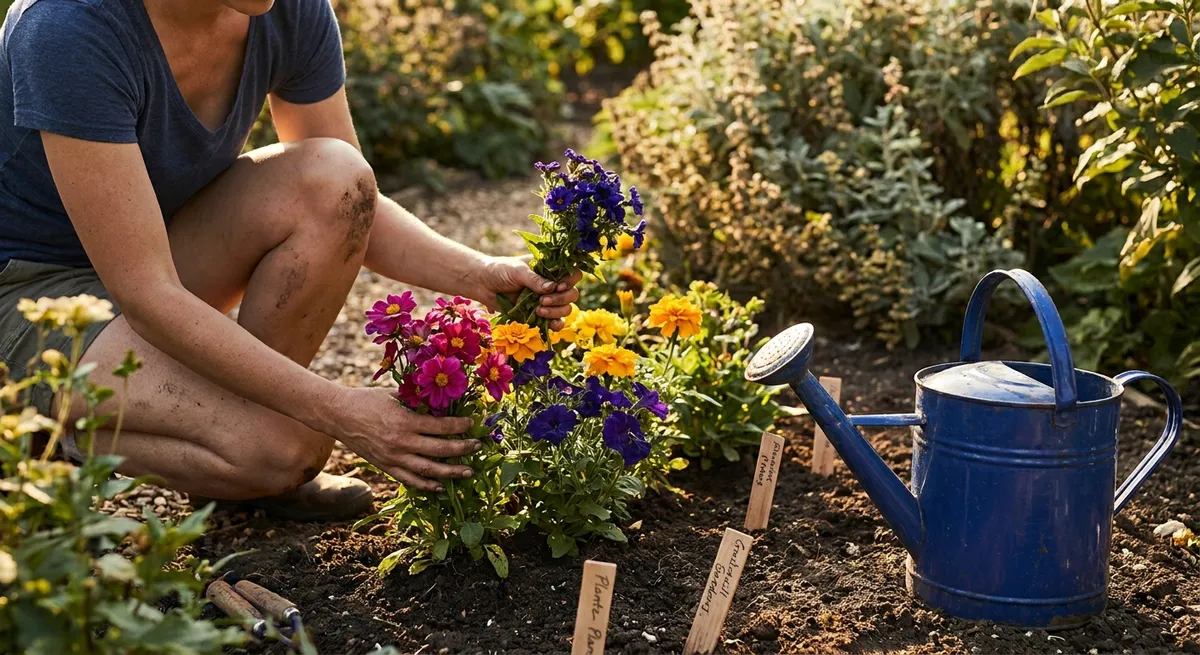
Color is one of the easiest ways to turn a “fine” garden into a “wow, what is this place?” moment. You don’t need a huge yard or a designer’s budget—just a little intentional planning, some color know‑how, and a willingness to experiment. In this guide, we’ll walk through simple, practical ways to use color to shape the mood of your garden and keep it looking beautiful from spring through fall.
Seeing Your Garden as a Color Canvas
Before planting a single flower, pause and take a slow walk around your space. Notice the colors that are already there: the tone of your house, the fence, existing shrubs, pots, and even nearby buildings. All of these become the “backdrop” for your garden’s color story.
Think about the feeling you want: calm, energizing, romantic, playful, wild, or structured. Soft blues, purples, and whites tend to feel peaceful, while oranges, reds, and hot pinks bring energy and drama. Greens are your “neutral,” tying everything together.
Try this simple exercise: stand in one spot where you often sit or walk, then imagine what colors you’d like to see in early spring, high summer, and early fall. Jot notes or sketch rough shapes—no art skills needed. You’re not searching for perfection here; you’re just starting to listen to what you actually love, instead of planting at random.
Choosing a Color Mood That Fits Your Space
You don’t have to follow strict design rules, but understanding a few basic color ideas can help you avoid chaos and disappointment:
- Analogous colors (neighbors on the color wheel, like purple–blue, yellow–orange) blend smoothly and create a gentle, harmonious look.
- Complementary colors (opposites on the color wheel, like blue–orange or purple–yellow) are high‑contrast and feel lively and bold.
- Monochromatic schemes (one color in many shades, like a bed of soft pinks from blush to magenta) look elegant and put‑together with very little effort.
Look at the light in your space. In full sun, bold reds, oranges, and yellows glow and hold their own. In shade, pastel tones can wash out; deeper jewel tones like rich purples or deep pinks usually show up better. If your house is brick red, for instance, cool blues and silver foliage can cool the scene; if your exterior is gray or white, you can choose either calming soft tones or vivid brights for impact.
Most important: pick a color palette you honestly enjoy looking at, not just what’s trendy. Your garden should feel like you.
Layering Plants for Depth and Year‑Round Interest
Color isn’t just about flower petals; it’s also about leaves, stems, bark, and berries. Thinking in layers helps your garden look full, intentional, and interesting across the seasons.
Start with three main layers:
- The backbone (tall layer): trees, large shrubs, tall grasses, or big perennials that set the structure. These often provide color through foliage or bark more than flowers.
- The middleground: medium-height perennials and smaller shrubs that carry most of the flower color.
- The front edge: low growers, groundcovers, and trailing plants that soften borders and fill gaps.
You might pair a dark‑leaf shrub (like a purple ninebark or smokebush) with airy ornamental grasses, then add mid‑height flowers such as coneflowers or salvias in a coordinated color palette. At the front, tuck in low sedums, creeping thyme, or compact geraniums to keep bare soil to a minimum.
Remember to think about when each plant blooms or looks best. A bed that’s dazzling in May but dull by August is easy to fix by including late‑season stars like asters, sedums, or Japanese anemones. Try to have at least one plant at its peak in each season so your color story keeps unfolding instead of stopping after spring.
5 Friendly Tips for Creating and Maintaining Beautiful Colorful Beds
Here are five practical tips you can use right away to get more beauty, balance, and ease from your garden design.
1. Start with Fewer Colors, Used More Often
A easy way to avoid a “patchwork” feeling is to limit your palette at first. Instead of planting one of everything, choose two or three main flower colors plus plenty of green foliage, and repeat them around your garden.
For example, you might decide on purples, soft yellows, and white, with plenty of green leaves. Plant purple salvia, yellow yarrow, and white daisies in drifts instead of single plants scattered everywhere. Repeating the same colors and plants ties your beds together visually, so everything looks cohesive and calm—even if you’re still learning.
2. Use Foliage Color as Your Secret Design Tool
Flowers come and go, but leaves are there for months. Leaning into foliage color can make your garden look “designed” even when nothing is blooming.
Look for plants with:
- Silver or gray leaves (like lamb’s ear or artemisia) to brighten dark corners and cool down hot color combinations.
- Variegated leaves with cream or yellow edges to add light and pattern.
- Deep burgundy or purple foliage to create contrast and drama against lighter greens and flowers.
Sprinkle these foliage plants throughout your beds like visual anchors. They’ll help carry your color story across seasons and reduce the “empty” feeling after a big flush of flowers fades.
3. Think in Repeating Shapes, Not Just Colors
Our eyes pick up repeated shapes just as strongly as repeated colors. Mixing flower shapes thoughtfully makes a border feel lively but not chaotic.
Combine:
- Spikes (like salvia, liatris, or foxglove) to add verticality,
- Daisies and open faces (like echinacea or coreopsis) for friendliness,
- Mounding or billowy forms (like catmint or lady’s mantle) to soften edges.
Choose a few favorite flower shapes and echo them in different heights and colors around your garden. This repetition gives your beds a rhythm, like a song you can see.
4. Plan for “Color Bridges” Between Seasons
It’s easy to fall in love with spring bulbs or summer showstoppers, but the real magic happens when you connect one season’s look to the next.
You can “bridge” color between seasons by:
- Using plants with long bloom times (like many modern salvias, some roses, or repeat-blooming daylilies).
- Planting foliage that echoes your flower colors—for example, a golden-leaf shrub that unites yellow spring daffodils and late‑summer rudbeckias.
- Adding ornamental grasses that turn warm gold or copper in fall, linking summer’s bright tones to autumn’s softer hues.
As you add or replace plants, ask: “What will carry this bed from the current season into the next?” Even one or two bridging plants can make a big difference.
5. Keep Maintenance Manageable with Smart Grouping
A beautiful garden that exhausts you isn’t sustainable. Grouping plants with similar needs saves effort and keeps everything healthier and better looking.
When you choose plants, check for:
- Sun vs. shade needs (don’t mix shade lovers with sun worshippers in the same small bed).
- Water preferences—keep drought‑tolerant plants together and moisture lovers in another area.
- Growth habits—pair plants that won’t smother each other or need constant pruning to stay in bounds.
Mulch beds with a 2–3 inch layer of compost or shredded bark (keeping it a little away from stems) to help hold moisture, suppress weeds, and give a clean, finished look. Healthy, well‑matched plants keep their color longer, resist pests better, and require far less “rescue” work from you.
Bringing Personality Into Your Garden Color Story
Your garden doesn’t have to follow anyone else’s rules. Maybe you want a fiery, sunset‑colored border by the patio for evening gatherings, and a soft, blue‑and‑white corner where you sip morning coffee. Maybe you love slightly wild, meadow‑style plantings, or maybe crisp edges and neatly clipped shapes make you feel at ease.
Use containers, trellises, or painted furniture to echo or contrast your plant colors. A turquoise bench under a purple clematis, or terra cotta pots filled with warm oranges and reds, can turn a simple planting into a place you’ll want to photograph and share.
Most of all, treat your garden as a living, changing experiment. Adjust colors that feel too loud, add more of what makes you smile, and don’t be afraid of a plant “mistake”—those moments teach you what you truly love.
Conclusion
Designing with color isn’t about perfection; it’s about creating a space that feels good every time you step outside. When you think of your beds as a color story—with a mood, a few main characters, and supporting players through the seasons—you can build something both beautiful and manageable.
Start small: pick a simple palette, repeat your favorites, pay attention to foliage, and group plants that thrive under the same conditions. As your garden grows, your confidence will too—and soon, you’ll have a space that feels uniquely yours and looks gorgeous in every photo you take.
Sources
- Royal Horticultural Society – Using Colour in the Garden - Practical guidance on color combinations, mood, and plant choices
- University of Minnesota Extension – Perennial Garden Design - Covers layering, bloom times, and creating year-round interest
- Missouri Botanical Garden – Selecting Landscape Plants - Advice on choosing plants based on site conditions and maintenance
- University of Illinois Extension – Color in the Garden - Explains color theory and how to apply it in garden design